A nipple hill tattoo after breast cancer and breast reconstruction has a healing effect. It is the icing on the cake and rounds off a usually tough process. The technique for this form of medical tattooing is also known as dermatography or micropigmentation.
Have you had radical breast reconstruction after breast cancer and want to feel complete again with two nipples? As a permanent make-up specialist, I am here to help you restore and maintain the natural look of your body. This can be done with a nipple tattoo, also known as a nipple-hole tattoo.
It has a lot of impact, a surgery that makes you miss a nipple. For example, breast reconstruction, breast reduction, or other medical procedures. You feel different, often less complete and less of a woman because of missing a nipple. A nipple sleeve tattoo after breast reconstruction has a healing effect, is the icing on the cake and completes the journey. It is also known as dermatography or micropigmentation.
I understand how invasive a process such as breast reconstruction after breast cancer can be. As a permanent make-up and medical tattoo specialist, I see many women as well as men in my practice after breast reconstruction. They showed me how crucial it is to feel complete again. With two nipples, you get your body back. This is why I offer specialised nipple-hole tattoos. Also called nipple tattoos with 3D effect making it virtually identical to your natural nipple. With this, you conclude an emotional journey and take a step towards recovery and renewed self-confidence. Read more about how a areola tattoo works.
Who is a areola tattoo for?
Most people experience it as short, warm pricks. I work with cooling, a small spot and a low frequency. You can find everything about PMU removal here.
Dark and grey pigments respond well to laser.
Yellow, orange and some camouflage pigments respond better to removal.
White pigment prefers not to be lasered. That is why I combine techniques. You can read about this at PMU removal.
Yes. I treat many women between 50-70 years of age.
I do not use harsh alkaline removers or high laser settings. Safety always comes first.
The virus itself is not dangerous to the person undergoing PMU treatment. However, an active cold sore can affect the pigment, making the result blotchy or keeping the pigment unevenly distributed. This can usually be corrected during the second treatment. During a PMU treatment, the skin experiences a slight ‘stress situation’. Normally this is not serious, but in people who carry the herpes virus, it can activate the virus.
If you have ever had a cold sore, you can ask your GP for a course of antiviral drugs (for example, Aciclovir or Valaciclovir). Start this 1 day before or on the same day of the PMU treatment. The GP determines the correct dosage and frequency. With this preventive approach, the chance of a breakthrough is still only about 7%.
So are you prone to a cold sore or other herpes outbreaks? Ask your GP for more information in advance and inform the permanent make-up specialist. Send a if you would like more information.
No, in most cases herpes is not dangerous, the symptoms usually go away on their own. Recovery can be supported by paying attention to diet, seeing your doctor if necessary or taking supplements. Read the article on herpes and cold sores.
On average, within 3 to 5 days. This varies by skin type and how well you follow up on aftercare.
No. Only use the special aftercare cream you are given. This supports recovery and protects pigmentation.
When in doubt, contact me, most quickly via or in case of clear signs of infection: always contact a doctor.
The entire healing process takes about 6 weeks. During this period, you will see phases like slight swelling, peeling and the gradual lightening of the colour. The final result is only clearly visible after 5-6 weeks. It also varies from person to person. Some people heal faster than others. Medication use may also have an effect. If you have any doubts about this, always ask your treating doctor before getting permanent make-up.
On average, within 3 to 5 days. This varies by skin type and how well you follow up on aftercare.
Scabs can range from small sheets to a thin membrane or some dark spots. Most important: do not scratch or pick. This will prevent scarring, infection and reduced ability of the pigment to ‘settle’. You can read many more post-treatment tips here.
The number of treatments to remove permanent make-up depends on:
I often remove leftover old pigments to apply the new permanent make-up safely and carefully. For more information, check out the Permanent Makeup Removal page or read the blog about grey eyebrows.
Permanent make-up always remains visible, but the intensity does diminish over time. This fading varies from person to person and depends on your skin type, chosen colour and age. Frequent exposure to UV light contributes to fading. The lighter the pigment colour chosen, the faster the permanent make-up will fade. So it remains advisable, permanent make-up should be regularly touched up. The guideline for light colours, such as eyebrows, touch-ups are recommended after 1-2 years. Dark colours or an eyeliner, for example, remain permanently beautiful for about 2-3 years.
No, only the principle is the same. The depth of application of pigments into the skin is different. With tattoo and permanent make-up treatments, a certain colour pigment is applied into the skin with a needle. With tattooing, you work deeper into the skin layer, close to the connective tissue. This has consequences for the final colour result. In the face, and especially around the eye, the skin is very thin, so care is needed.
Permanent make-up is placed in the dermis. Furthermore, the equipment used, the composition of the pigments and the application techniques are different. Watch the video I made on the difference between permanent make-up and a regular tattoo.
For the first 2-3 days after the treatment, the pigmentation is much darker than the intended result. Due to your natural cell renewel, the final colour result of the pigmentation will only become visible after 3 to 5 weeks.
I will of course explain everything to you beforehand during a free telephone consultation.
After applying a medical tattoo such as colouring scars, you don’t need to do anything special. Just take very good care of it, avoid getting it too wet and so on. I will give you the guidelines so that you can take good care of your tattoo. This benefits the final result. I will go through this and the entire treatment thoroughly with you.
At Permanent Mooi, you can choose from a wide range of colours for all skin types. Thanks to my years of experience, I advise you on which colour best suits your skin and gives the most natural result.
In the Netherlands and Belgium, the regulations vary by insurance company.
I advise you to contact your health insurance company yourself regarding the conditions your health/mutuel insurance company sets for reimbursement of this treatment. Before inquiring the health insurer, please contact me first so that I can assist you with this.
Pigmentation for a nipple/areola tattoo is (virtually) painless, as there is usually no sensation in the breast. The only thing my clients feel is the vibration of the equipment.
Thanks to my latest equipment and a soothing cream, pigmentation or tattooing is virtually painless. You may always take a painkiller beforehand such as paracetamol or Dafalgan.
Are you menstruating? Then permanent make-up and medical tattoo application may be more painful.
I advise against alcohol, caffeine and aspirin on the day of the treatment. This affects sensitivity.
You can also apply Emla cream yourself beforehand. This is available on prescription at the pharmacy. Read the instructions for use of the Emla ointment carefully and don’t forget to cover the ointment with the supplied foil patch.
First of all, we have an extensive telephone consultation after you have been referred by the plastic surgeon. During this, I aim to gain inside your personal profile and medical status. Tis allows me to accurately map out the pigmentation, as the shape and colour of the nipple and areola reconstruction ultimately determine the result.
You must wait at least six weeks after the last surgery (nipple reconstruction), permission from the surgeon or doctor is needed and your physical and mental condition must be in order. And when you are ready, you will close a chapter of your life with this medical tattoo. It’s not that you forget this period, but you do need to come to terms with it. Click here for more information on nipple/areola tattooing.
The application of medical cosmetics is usually performed in 2 treatments of 1.5 to 3 hours. This includes the consultation, pre-drawing, colour selection, pigmentation and finishing. Naturally, the duration depends on the chosen technique and the size of the skin surface. A minimum of 2 treatments is required with an interval of 6 weeks.
When you can start colouring a burn scar with medical tattooing depends on the type of scar and the degree of the burn. You can find more information about different stages and type of scars on the page about Colouring scars. You can read more about burn scars and how I adapt each treatment to the client’s needs in the blog A solution to burn scars.
Yes, scars can be coloured in with permanent make-up. This is also known as medical tattooing, or dermopigmentation. But, not every scar is suitable for permanent make-up, you can read more about this under Colouring scars.
At Permanent Mooi, every treatment starts with a telephone intake. This is how we get to know each other and your medical background. Together, we determine the method that will provide the best and most natural result for you. You easily make this appointment yourself online.
The application of medical cosmetics is usually performed in 2 treatments of 1.5 to 3 hours. This includes the consultation, pre-drawing, colour selection, pigmentation and finishing. Naturally, the duration depends on the chosen technique and the size of the skin surface. A minimum of 2 treatments is required with an interval of 6 weeks.
After applying the permanent make-up, you do not need to undergo any special treatment. I will give you instructions so that the final result will be optimal. After the treatment, I go through all the guidelines with you thoroughly. Take good care of your permanent make-up and you will enjoy it for longer
For the first 2-3 days after treatment, the pigmentation is very much darker than the intended final result. Due to natural cell regeneration, the final colour result of the pigmentation will only become clearly visible after 3 to 5 weeks. After the treatment, you can walk the streets with peace of mind. Read all about the procedure, aftercare and follow-up appointment
Yes. You can still apply extra party make-up or make certain parts of the face more highlighted. Permanent make-up accentuates your natural face shape. Applying extra make-up is always nice for a night out. Test for yourself if you are suitable for permanent make-up.
No, permanent makeup is not dangerous. As with all treatments, there is always a small chance of side effects or complications. I will explain everything to you during a free telephone consultation. My practice and the materials I use meet the requirements set by the government. I hold a permit from the GGD. View the GGD registration here.
Having permanent makeup applied professionally is not cheap. But what is expensive when you realize what you get in return? Many have gone before you. I often hear after the treatment: “I should have done this much sooner.” Well, what is expensive then… I know that your life is precious, and if you can give yourself ease and comfort with permanent makeup and medical tattooing, why not? That way, you wake up every morning with a radiant and expressive face. And even after swimming, exercising, or other exertion, your makeup remains perfect. So, permanent makeup isn’t just about a line. You go home with a boost of self-confidence, daily comfort, and the luxury of an always radiant face. You can read that and more in the blog.
Strictly speaking, a temporary tattoo does not exist. Permanent makeup pigments do fade and sometimes become inconspicuous between the eyelashes and along the lip line over time. This can happen, for example, because they are placed less deeply into the skin. With a temporary tattoo, the pigment will also fade, but it never disappears completely. Therefore, a blurry spot always remains in the skin. That is the reason why I do not apply temporary tattoos. Read the permanent makeup application procedure here.
Permanent make-up always remains visible, but over time the intensity does fade. That fading depends on person to person. Lifestyle, natural cell renewal, immune system and the influence of UV light all play a role. Frequent exposure to UV light contributes to fading. The lighter the pigment colour chosen, the faster the permanent make-up will fade. Read more about touch-ups and permanent make-up fading in the blog. Frequently asked questions
Powder brows, also known as ombre brows, are a great option for anyone looking for a long-lasting eyebrow solution. You no longer need to touch up your eyebrows. Compared to microblading, powder brows have some minimal drawbacks, I list them below: One of the disadvantages is that the treatment can take longer than microblading, usually around 2-3 hours. ‘He who wants to be beautiful must suffer pain’ goes the saying. That does not apply to this treatment. But rather ‘Whoever wants to be beautiful must be patient’. It is important to realise that this extra time is needed to create an even surface that looks natural. Another disadvantage may be that the initial cost may be slightly higher than for microblading. The effect of powder eyebrows is different from microblading. This is certainly not necessarily a disadvantage. Instead of drawing individual hairs, I actually create an even, pigmented layer. This creates a softer and more powdered look. However, the end result can be very similar to that of microblading, especially when microblading hairs come together. Creating symmetry can be slightly more challenging with powder eyebrows, as it involves working on a larger area. Microblading, on the other hand, is applied more airily, making any symmetry issues less visible. Read more about microblading and powder brow. See the general page on eyebrows and how they work here.
No way, luckily I can reduce those for you from unpleasant stimuli to an absolute minimum. This is possible thanks to our computer-controlled pigmentation machine and soothing cream. You can always take a painkiller such as paracetamol or Dafalgan beforehand. Application of permanent make-up during menstruation is often more painful due to hypersensitivity. Avoid alcohol, caffeine and aspirin on the day of treatment. These affect blood vessels and anaesthesia. You can also apply Emla cream yourself beforehand. This is available on prescription from pharmacies. Read the instructions for use of the Emla ointment carefully and remember to cover the ointment with the foil patch provided. Take a look at the video I made on permanent make-up and pain below. Frequently asked questions
What is Permanent Makeup? A common question where people also sometimes ask “What is PMU?” That is the abbreviation for permanent make-up. Here you can read, among other things, what the difference is between permanent make-up and regular make-up. And in the article about “What is permanent make-up?”, you can read more about the possibilities that permanent make-up offers. With a permanent make-up treatment, eyeliners and/or eyebrows can be applied by pigments into the skin using a thin needle or blade, for microblading, just below the epidermis. It is an ideal solution for anyone who wants to look beautiful and well-groomed at any time of the day (and night), without any effort.
You can find that information on the procedure on my website, at the page procedure for permanent make-up step by step. Are you still in doubt? Read the reviews, more than 1,000 men and women went before you. Reviews
I use numerous colours to suit all skin types. I am happy to advise you which colour best suits your skin and colour. This is how I put permanent make-up true to nature.
For a successful areola tattoo, there are a number of things to consider:
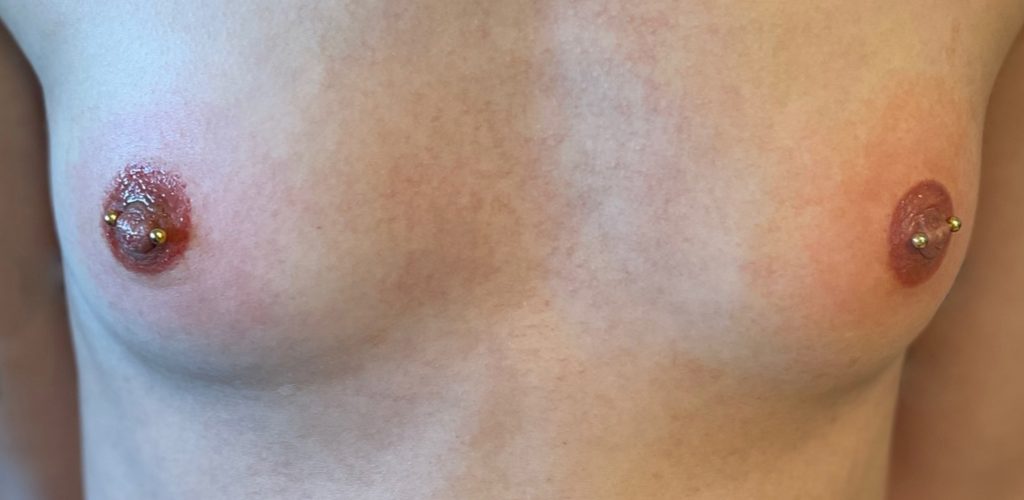
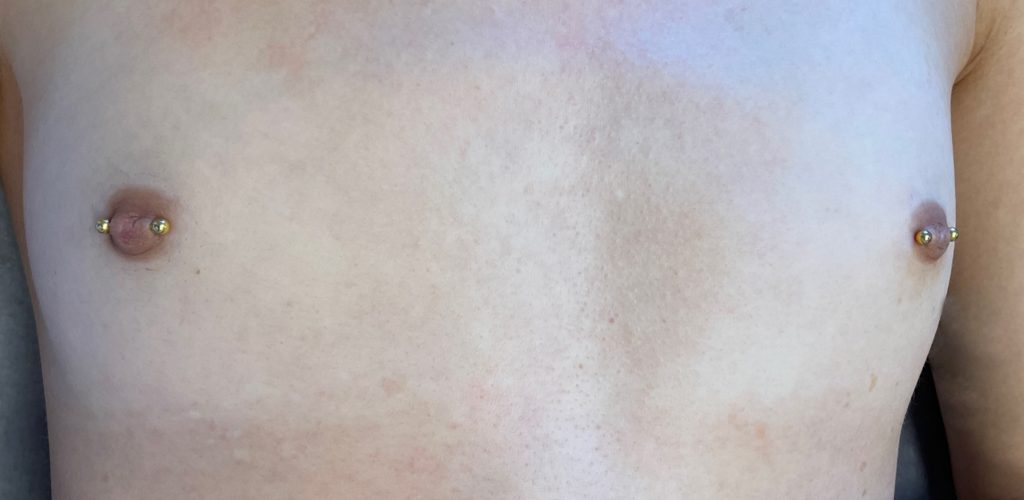
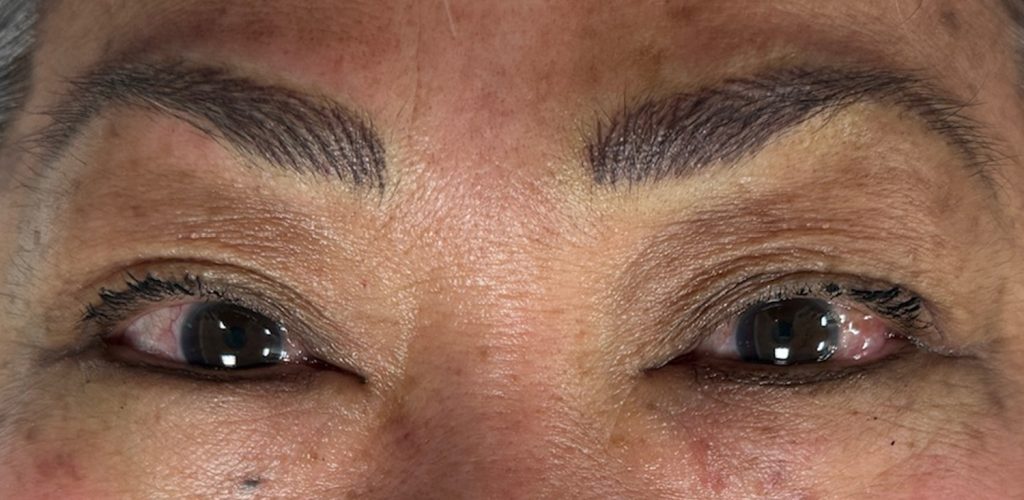
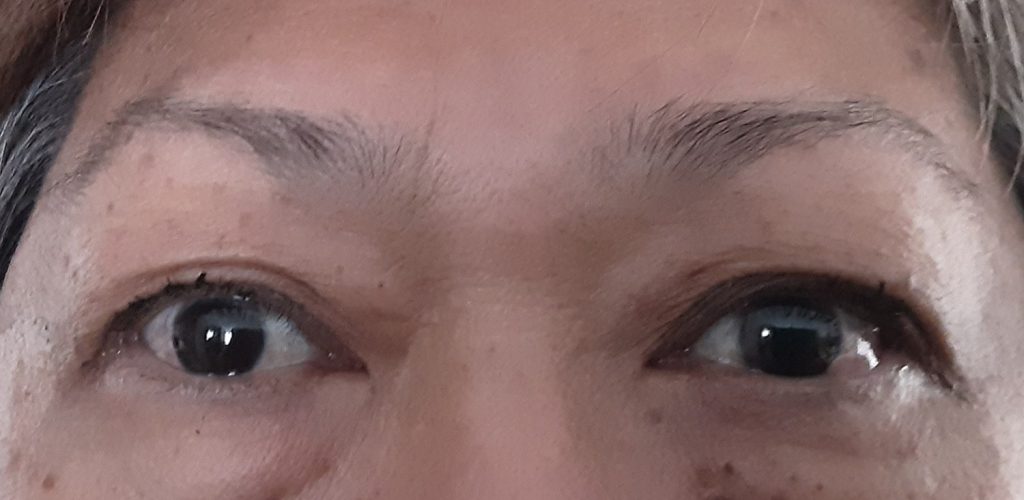
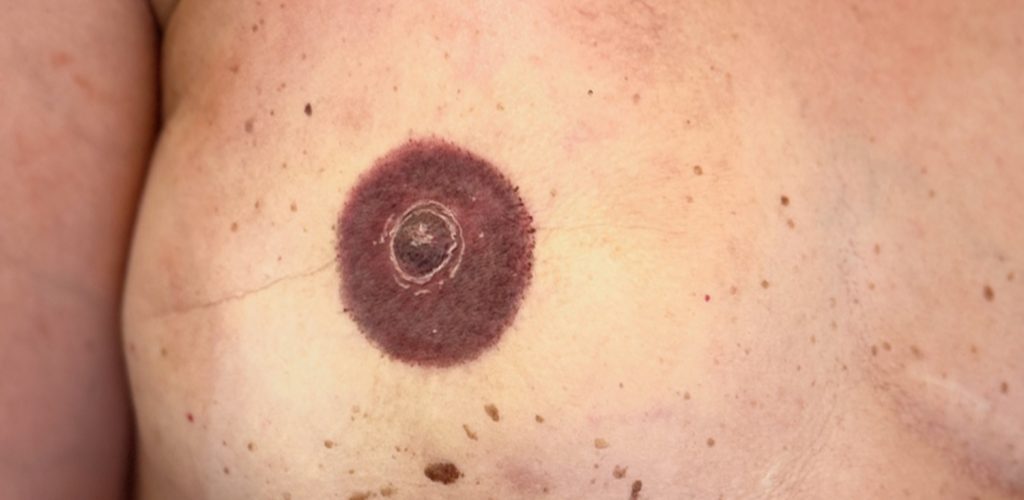
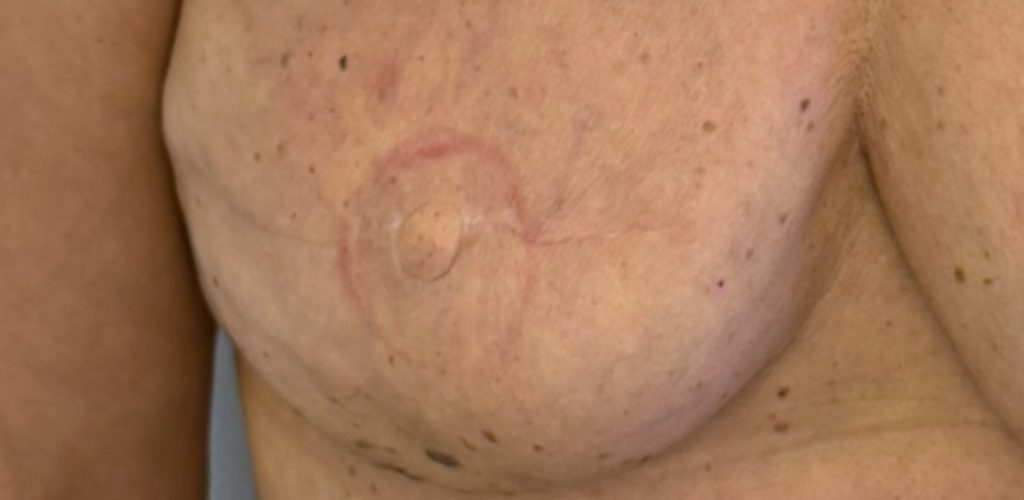
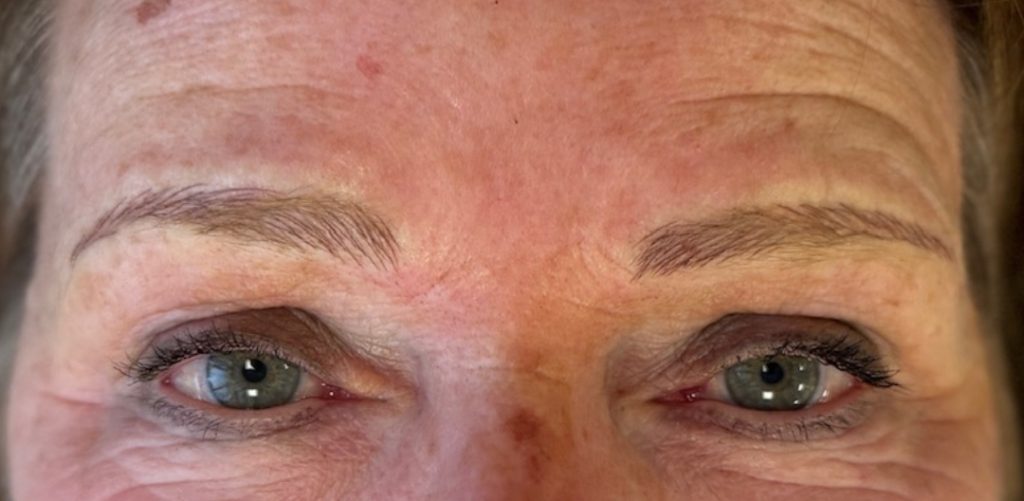
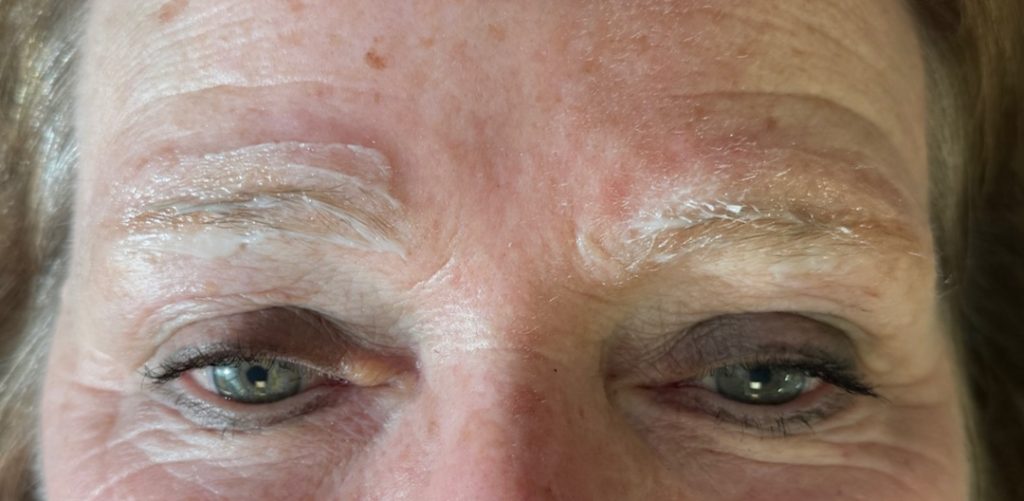
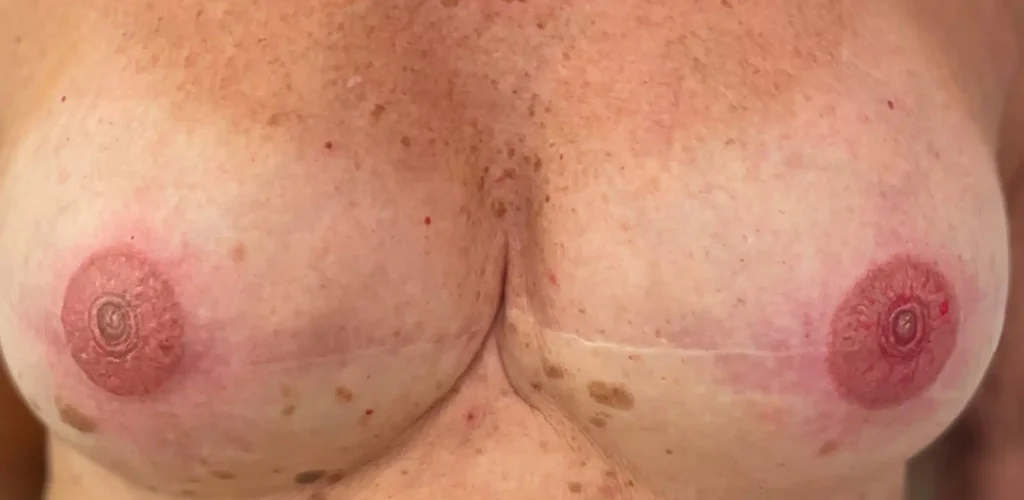
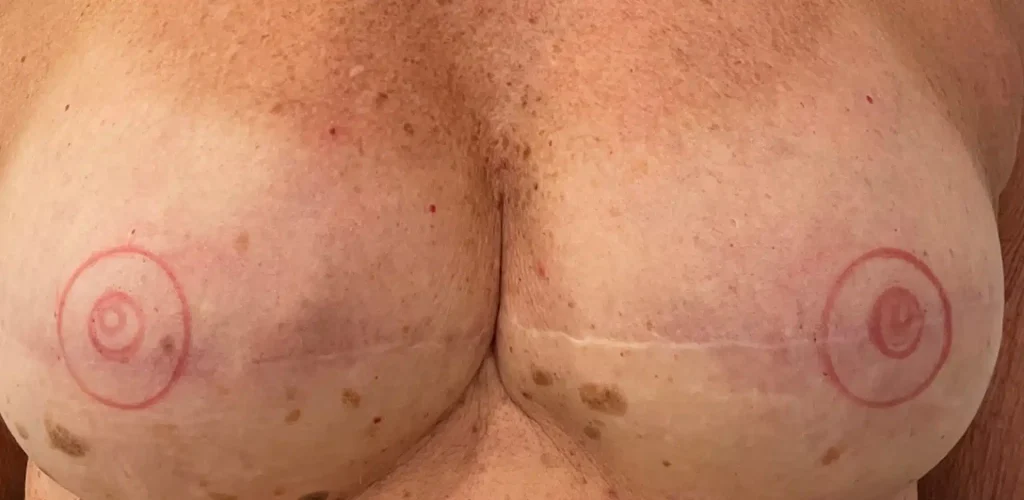
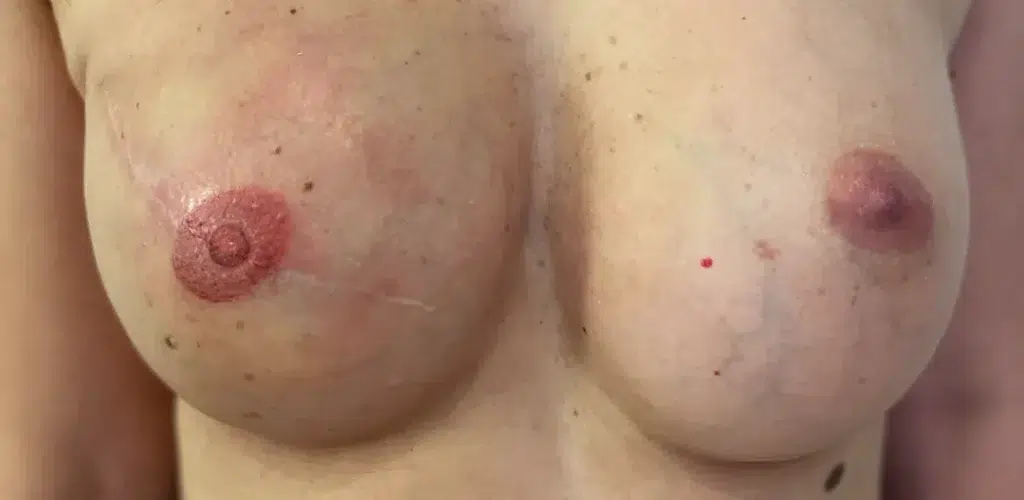
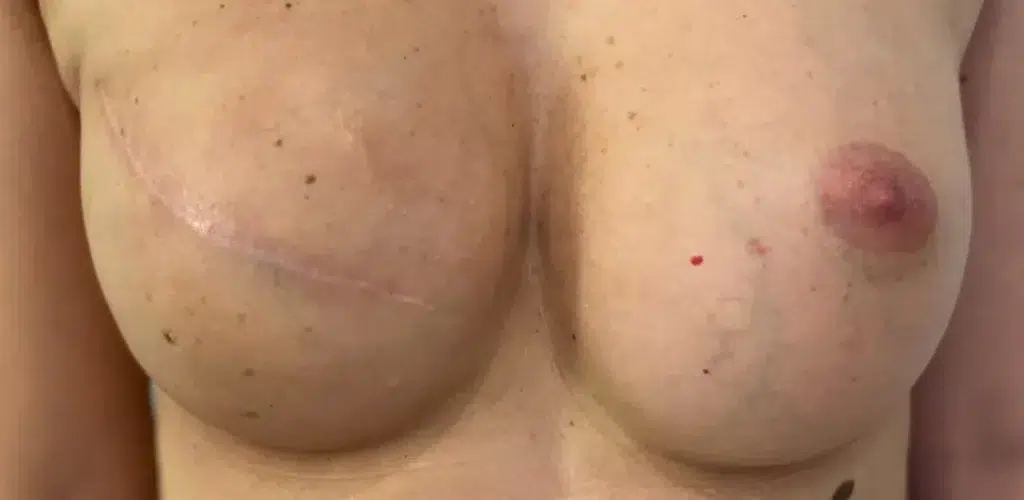
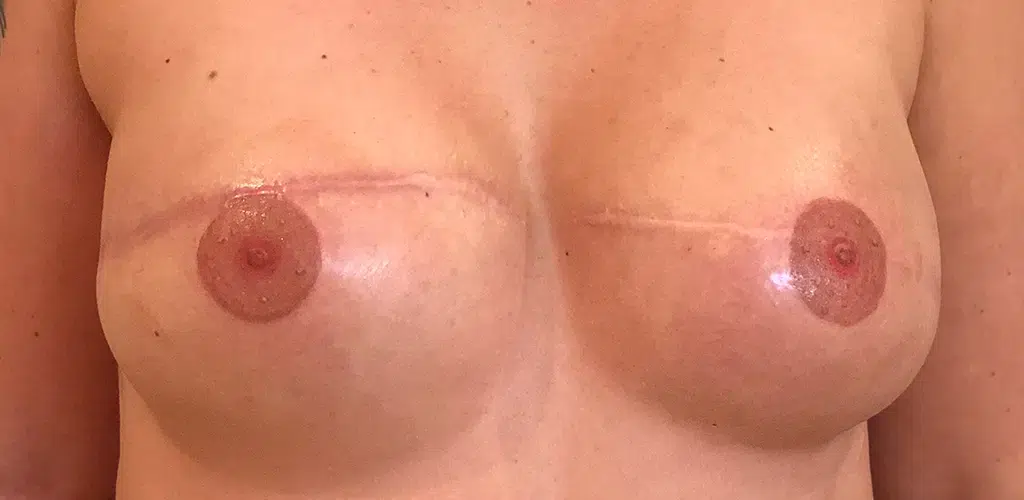
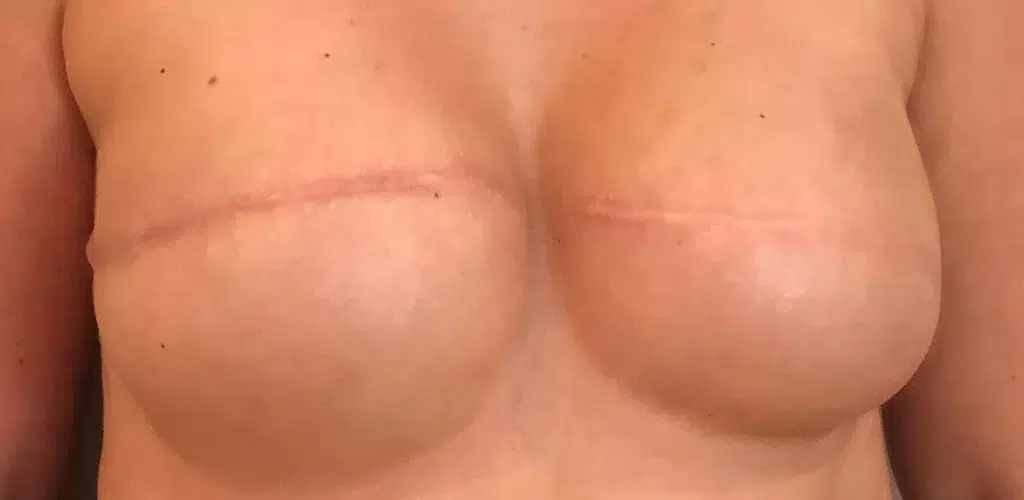
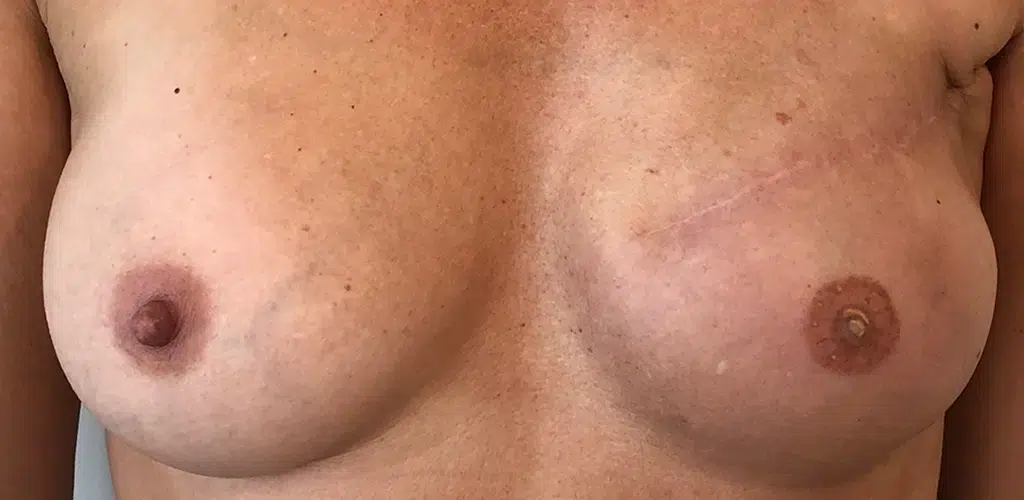
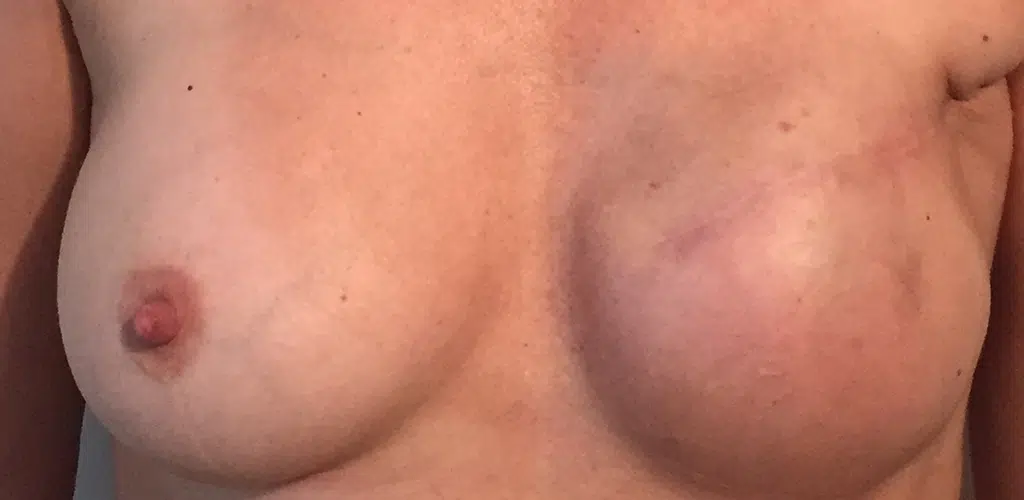
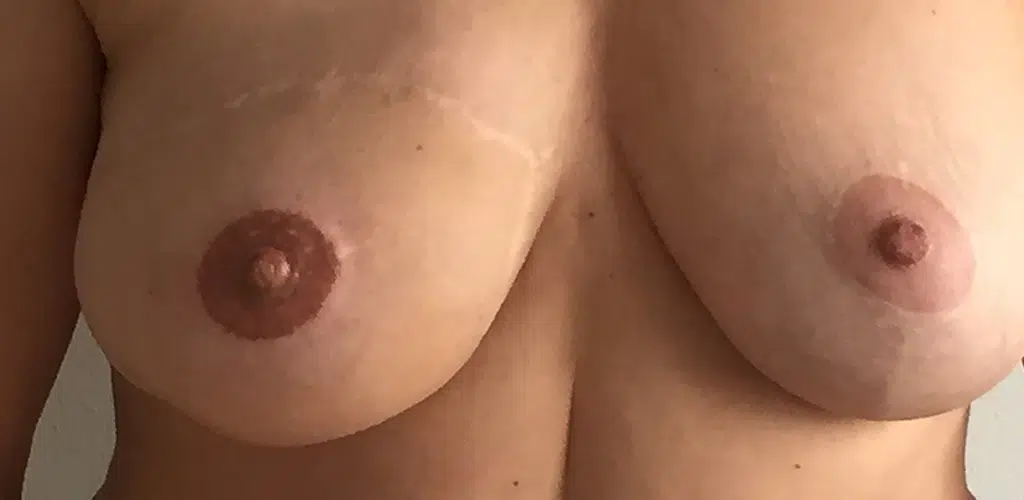
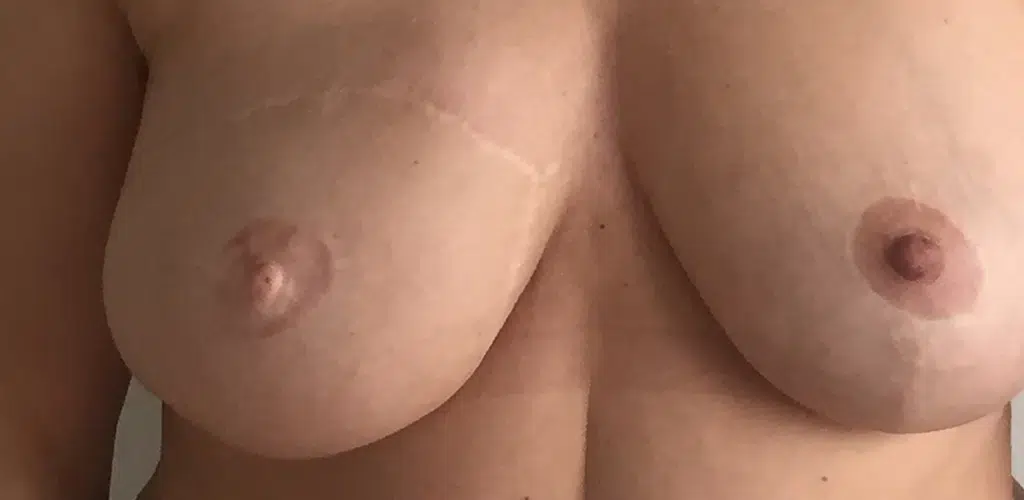
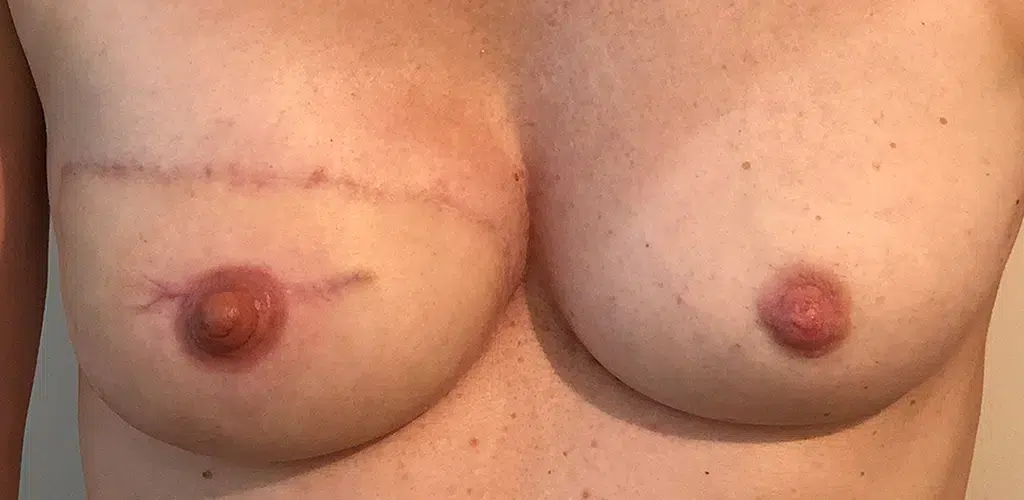
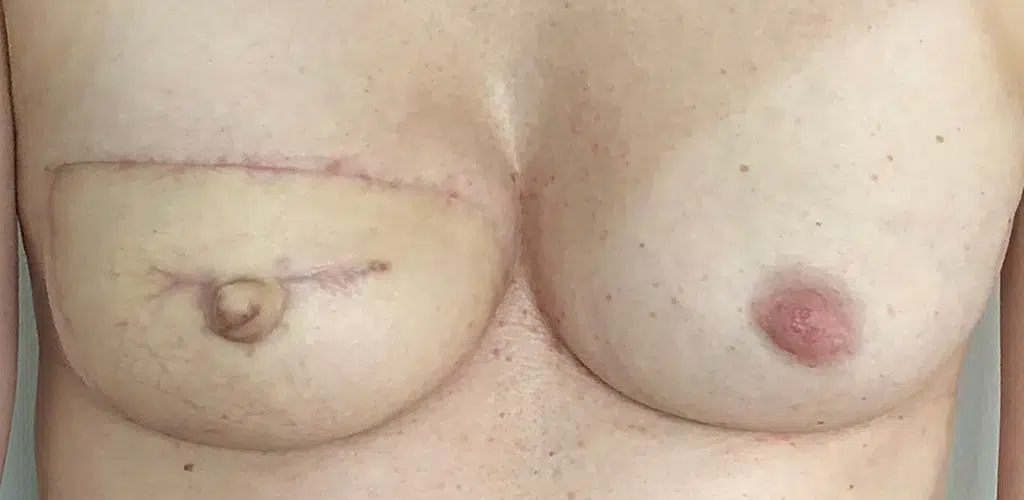
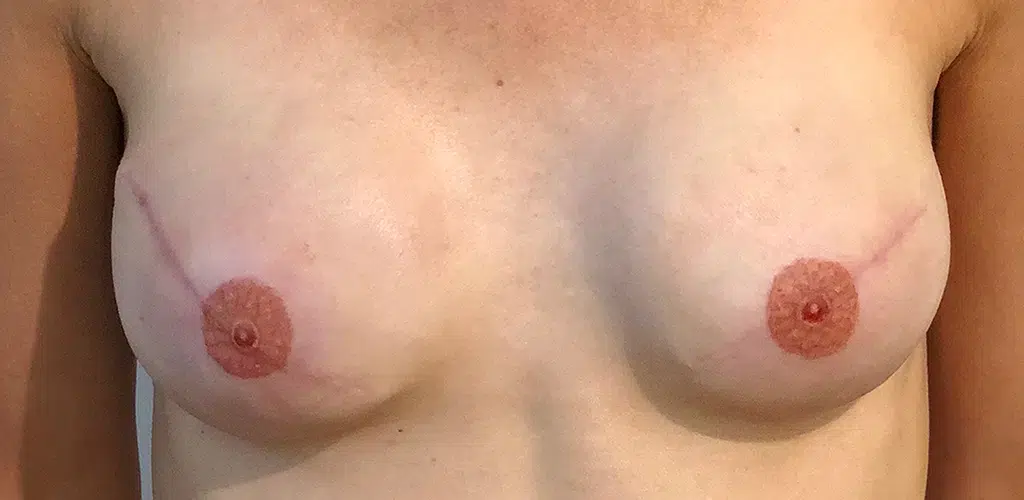
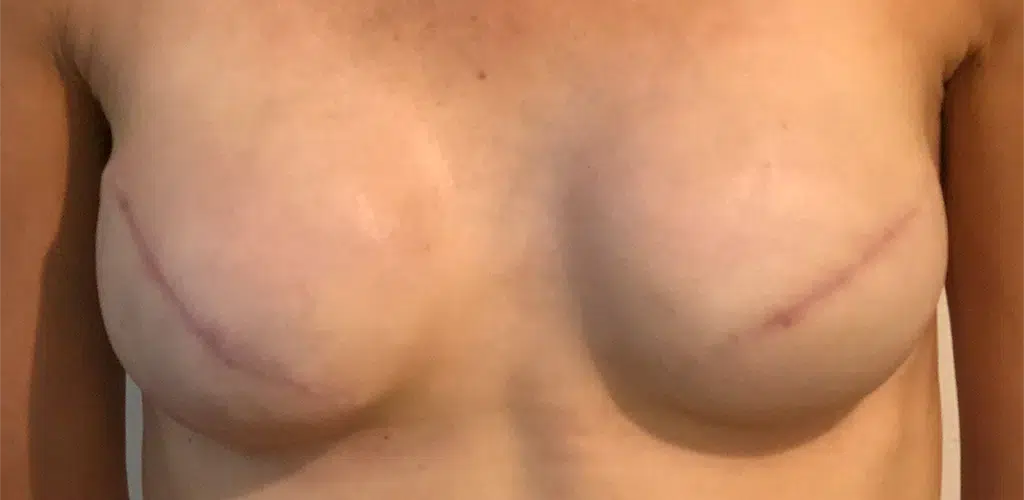
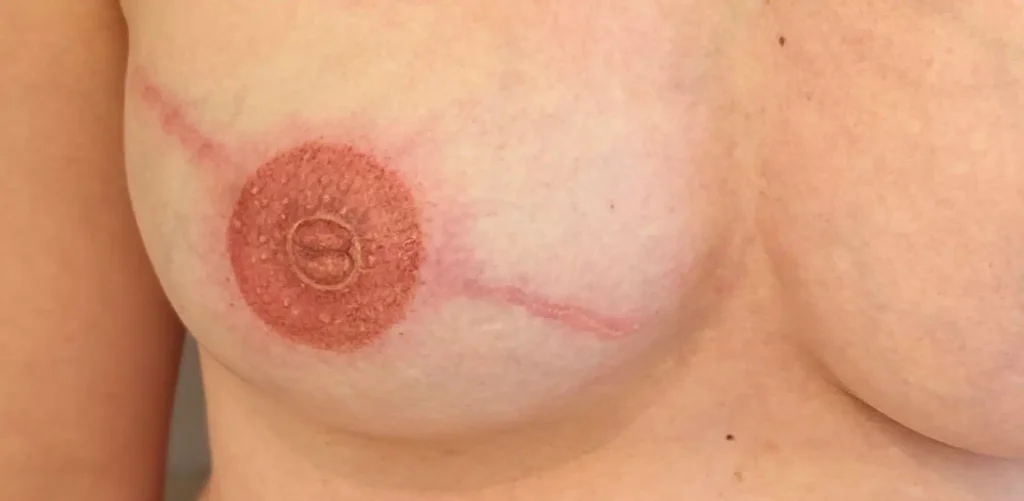
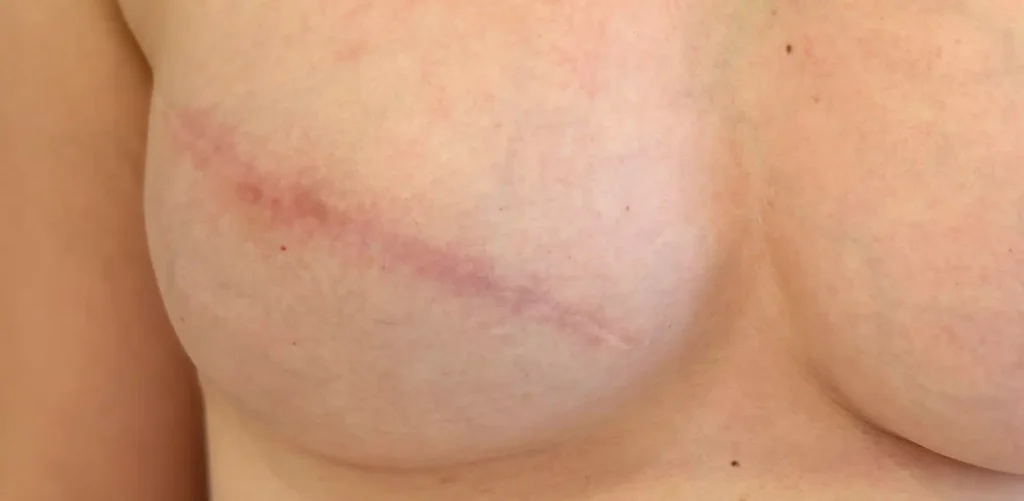
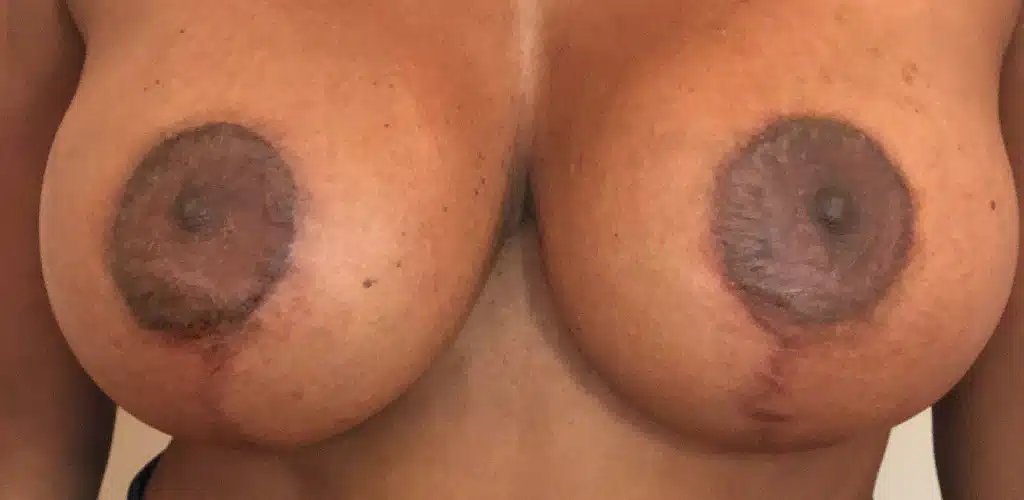
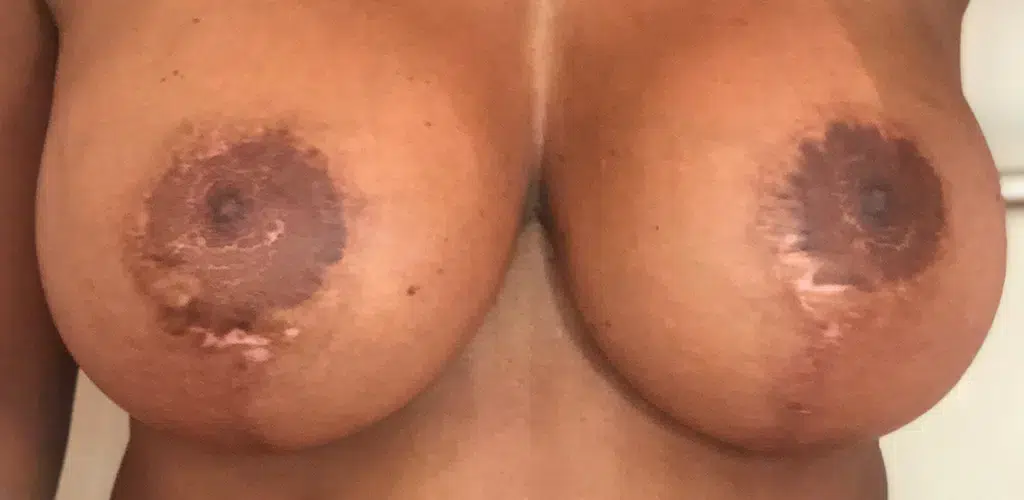
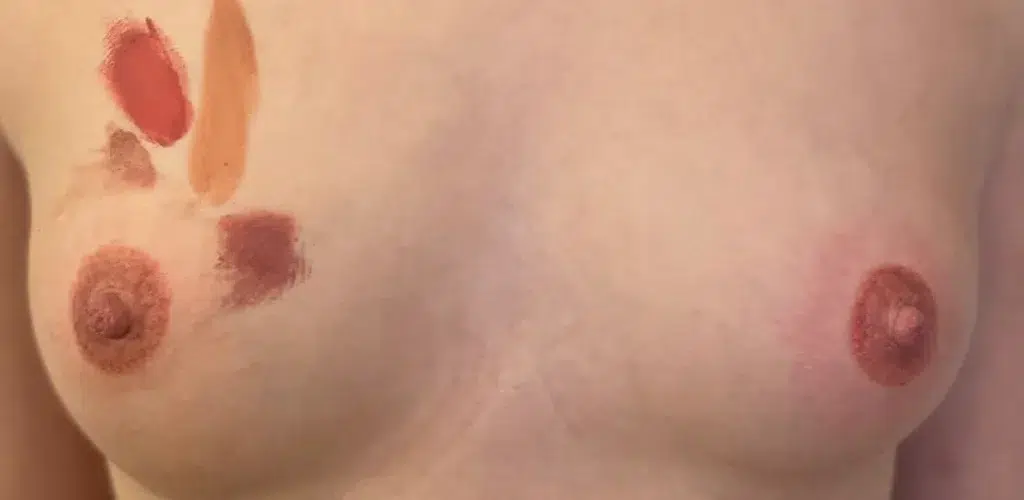
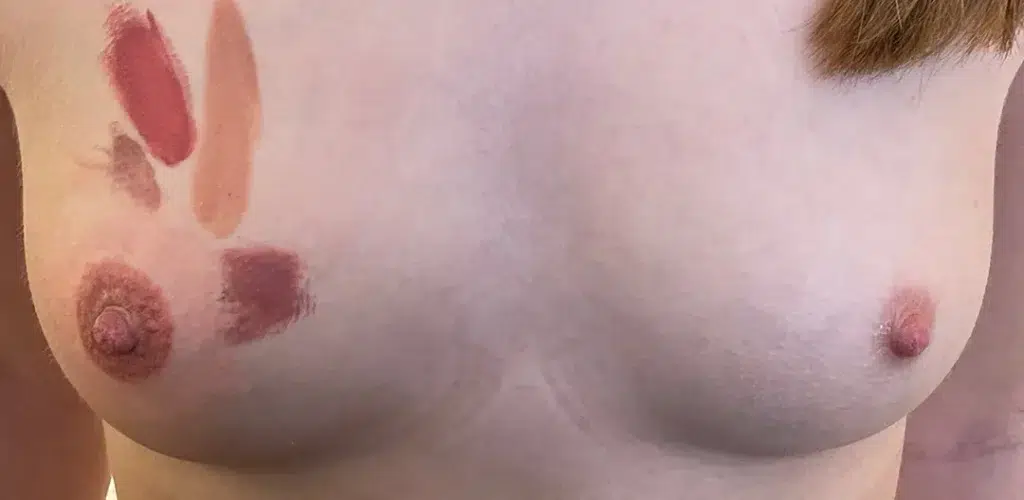
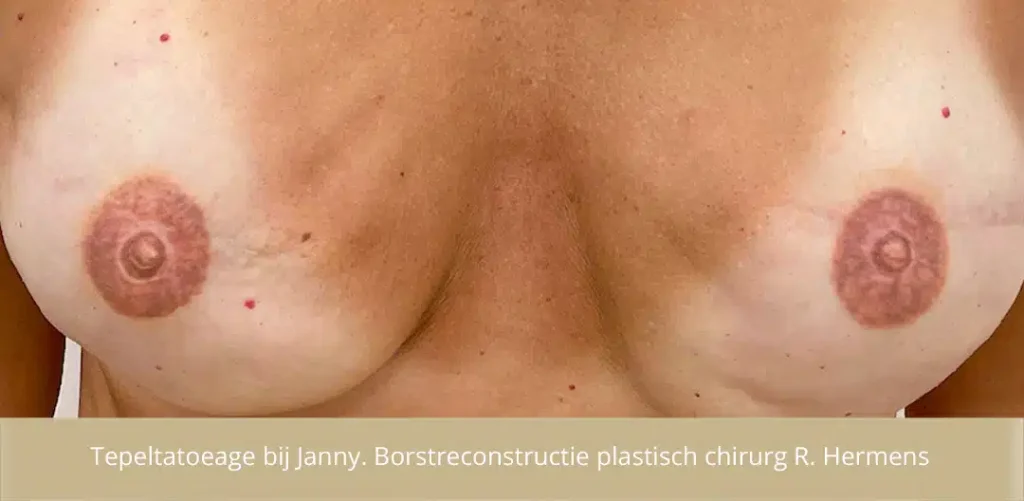
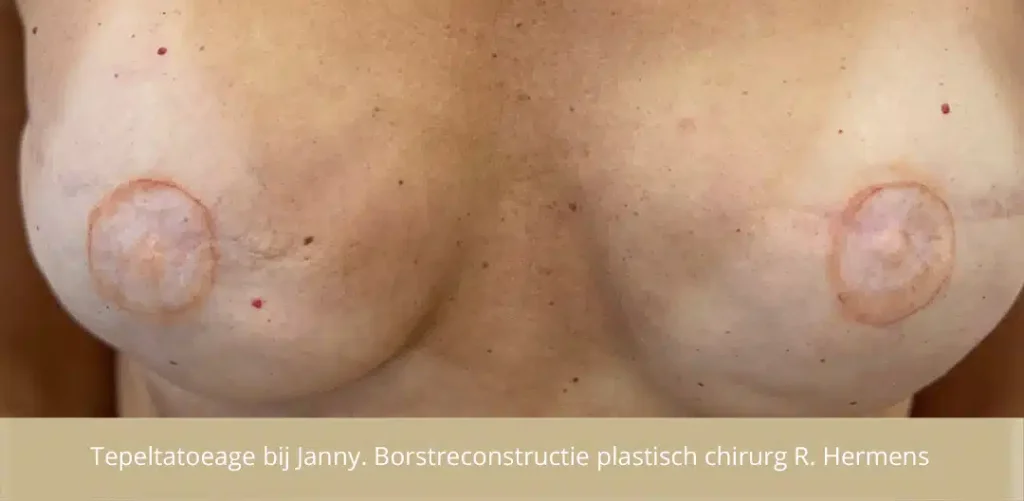
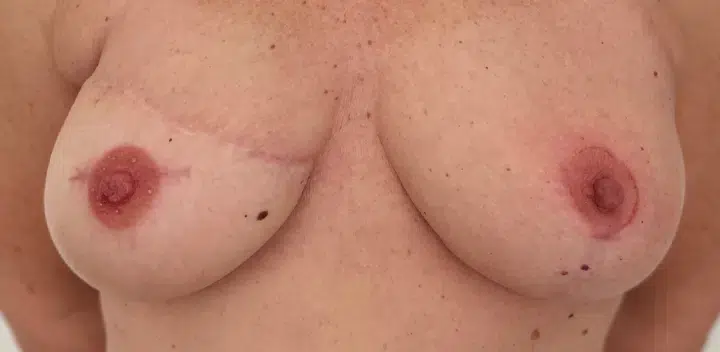
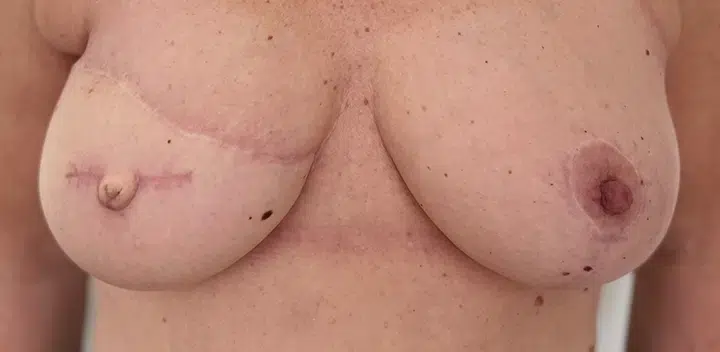
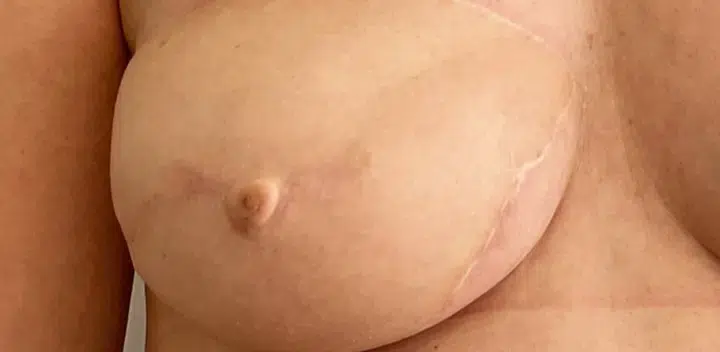
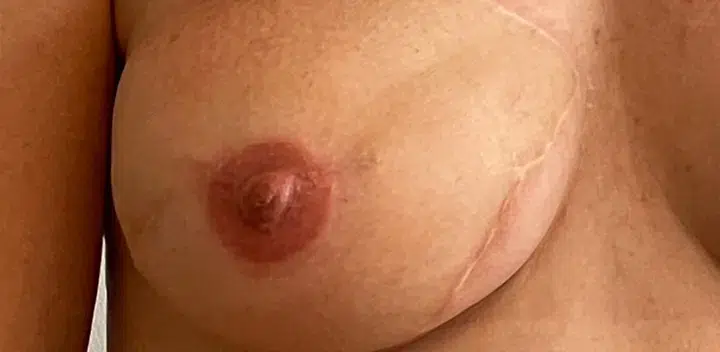
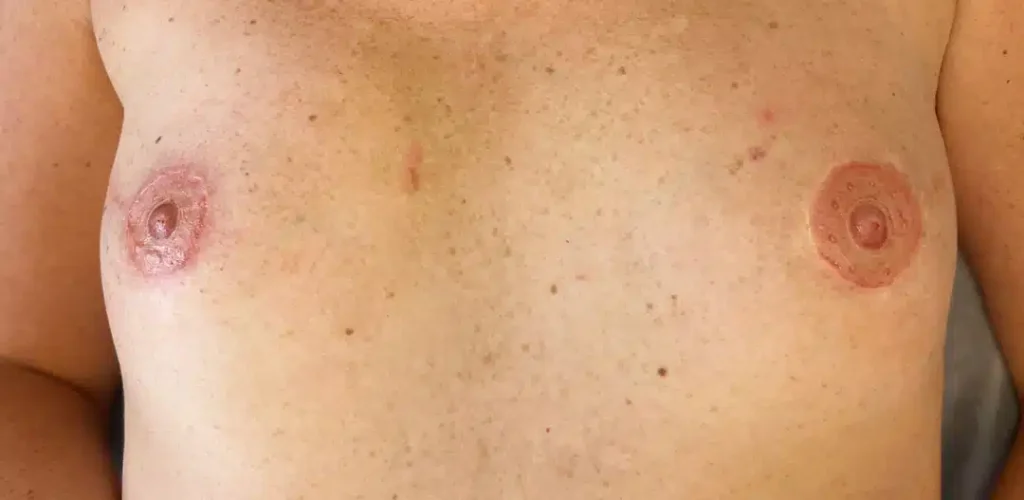
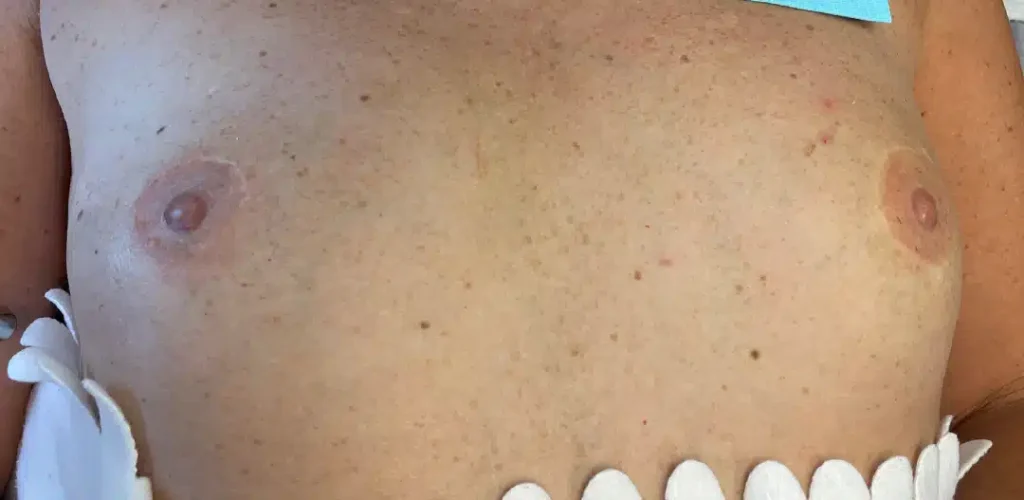
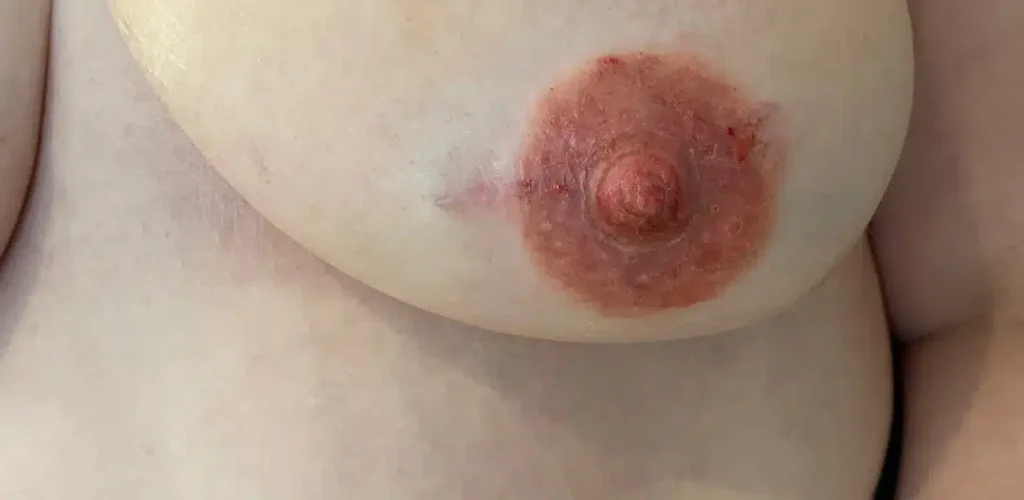
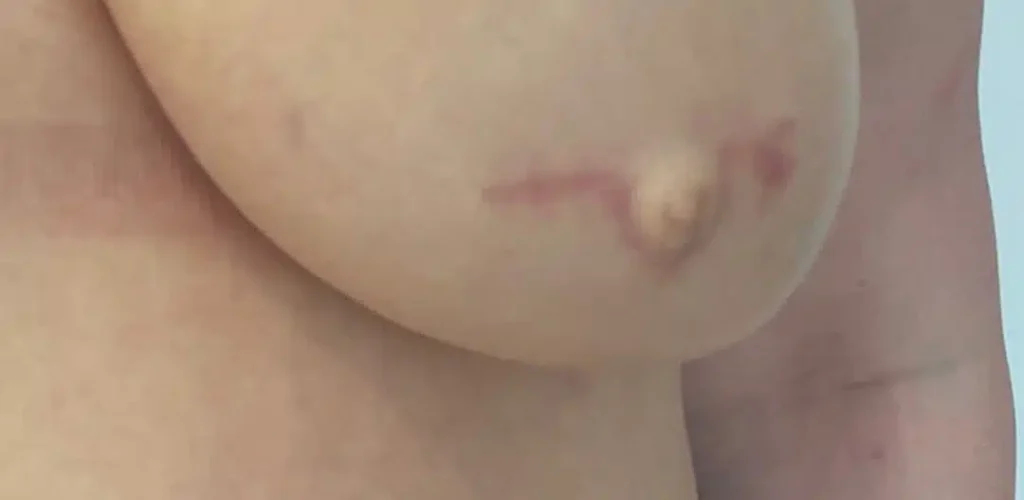
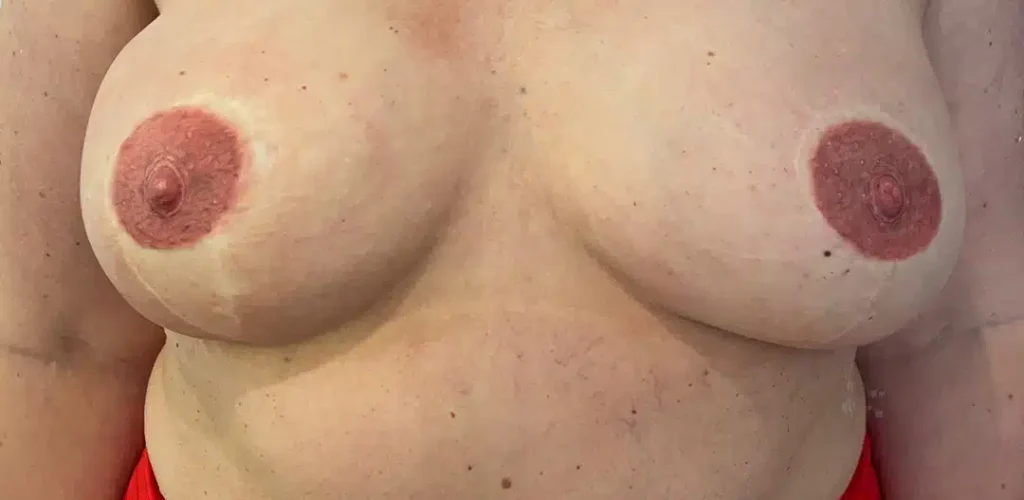
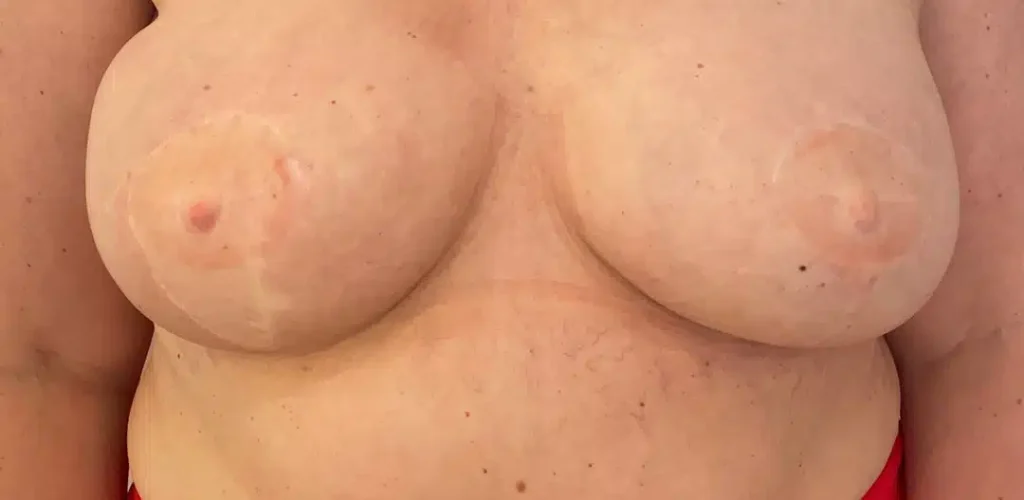
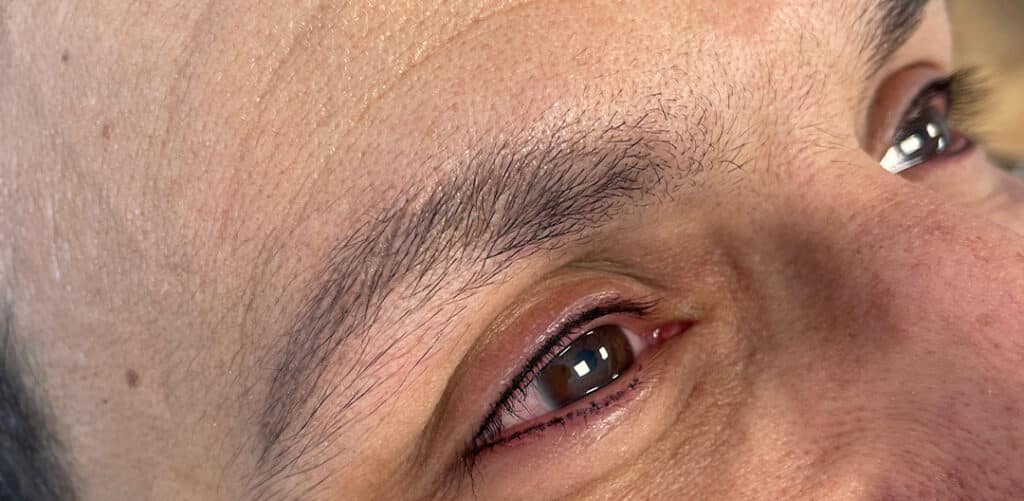
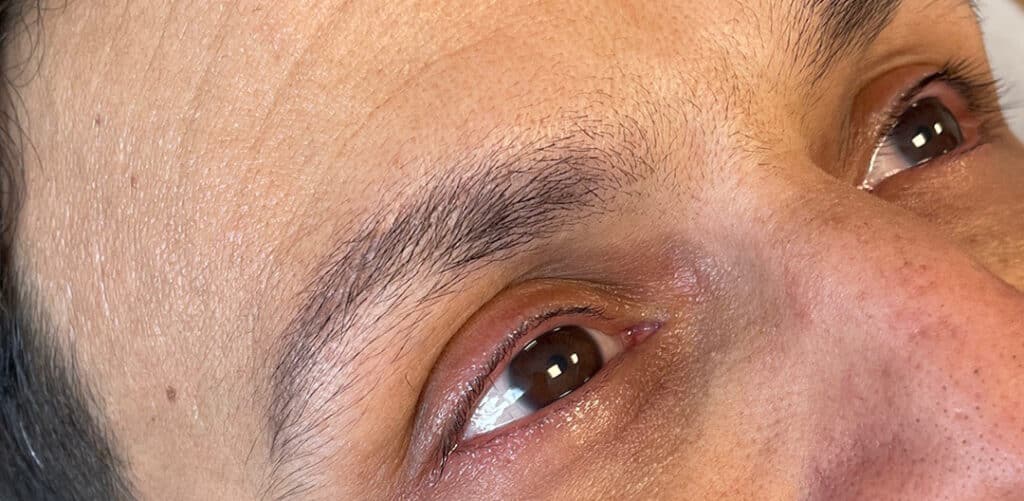
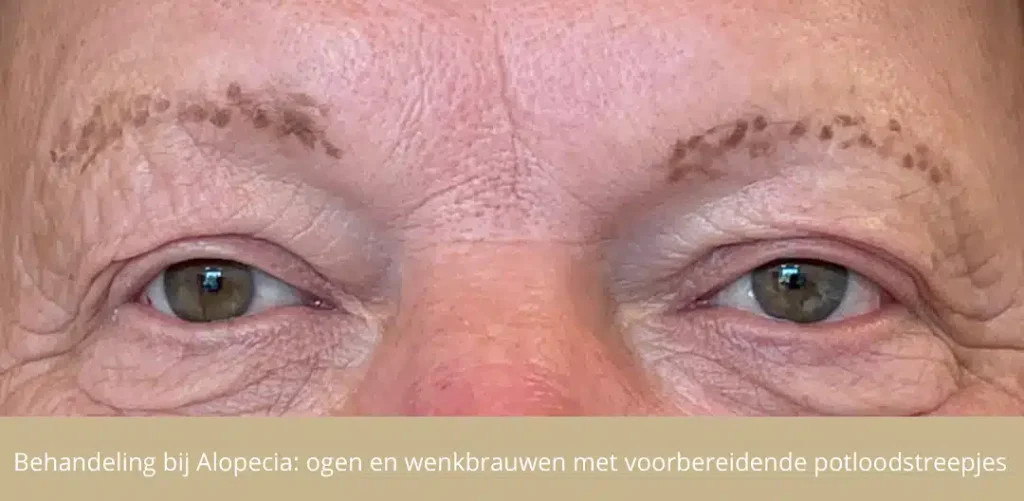
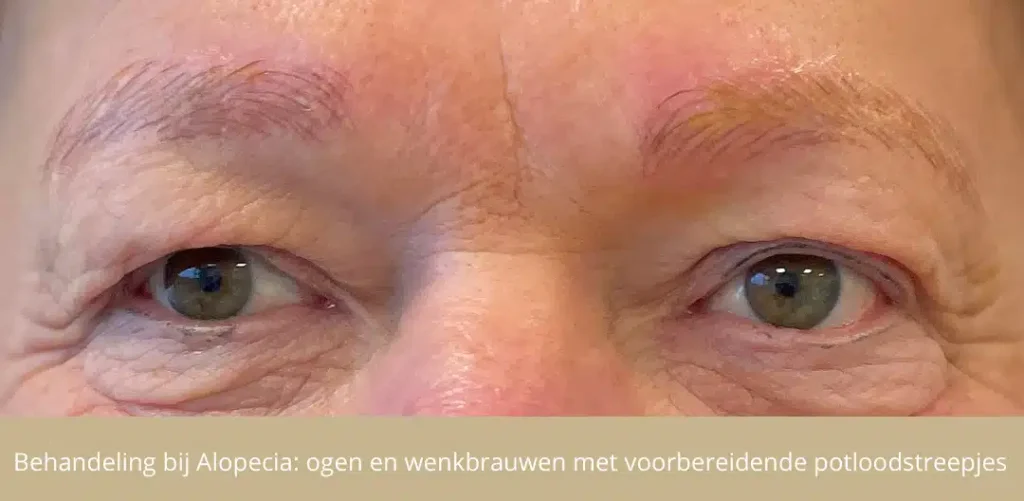
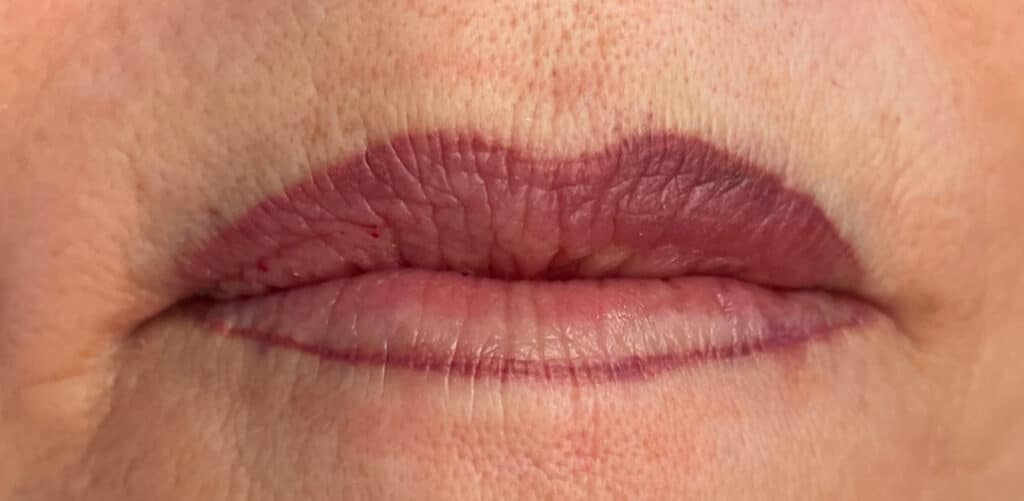
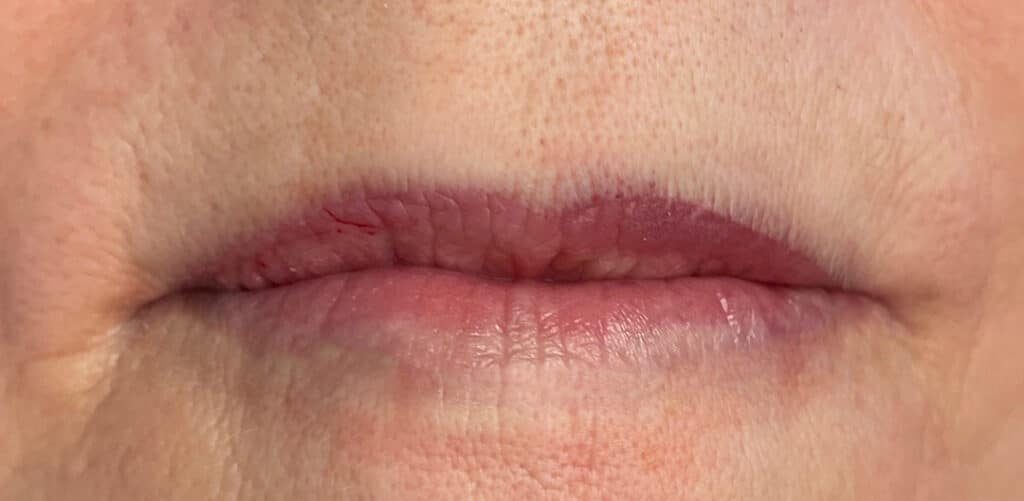
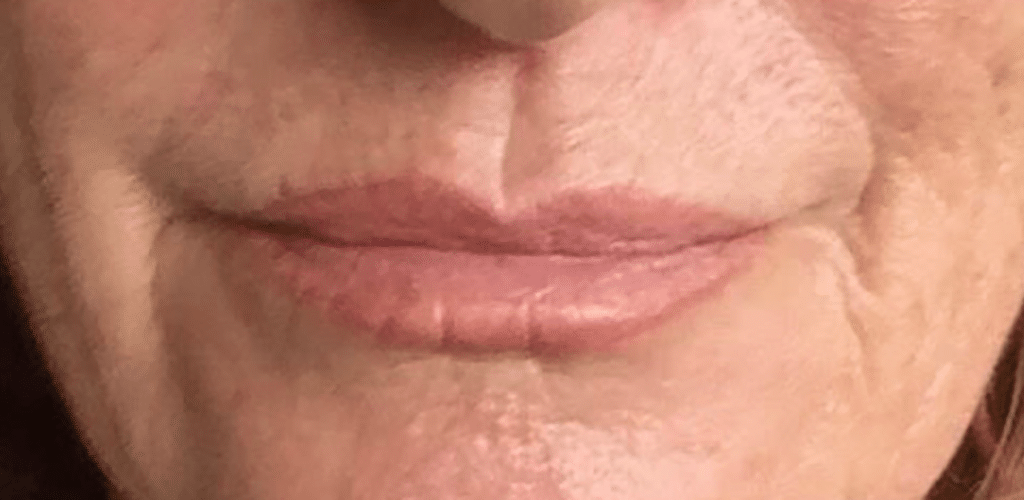
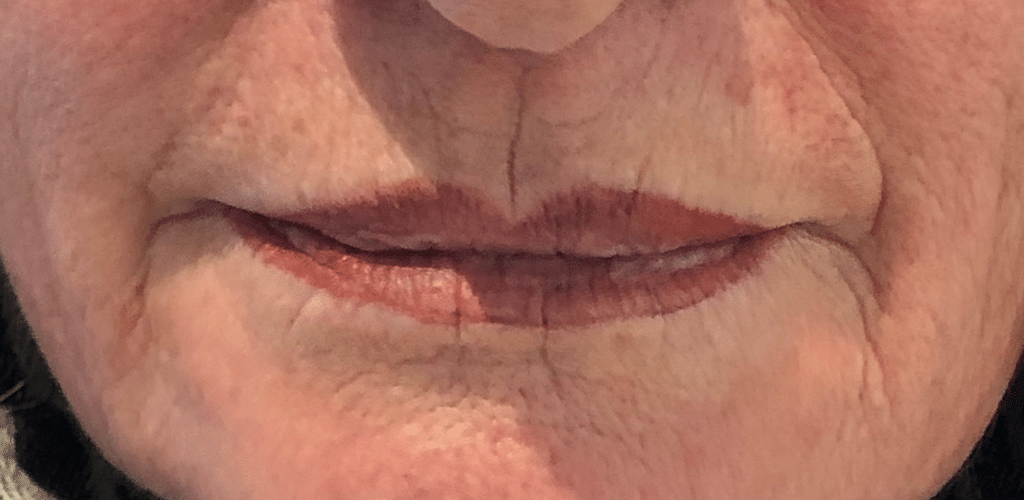
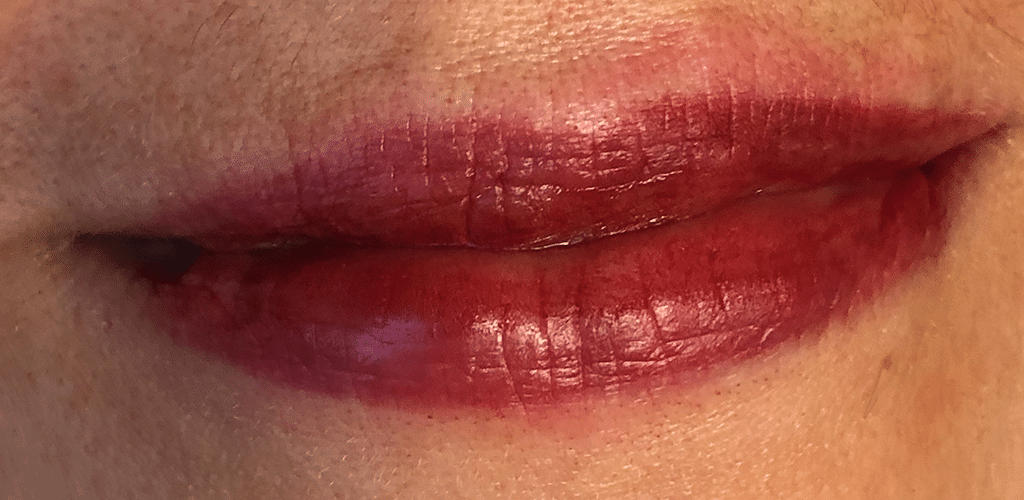
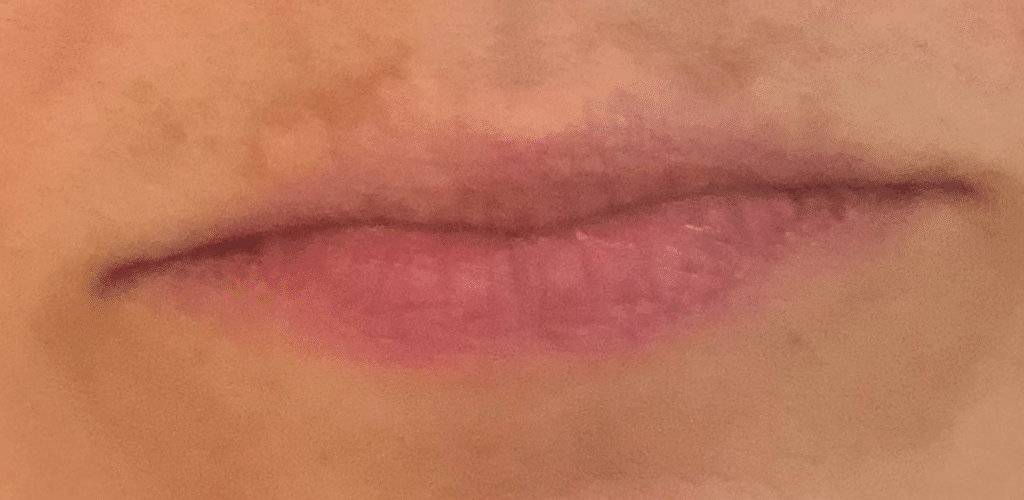
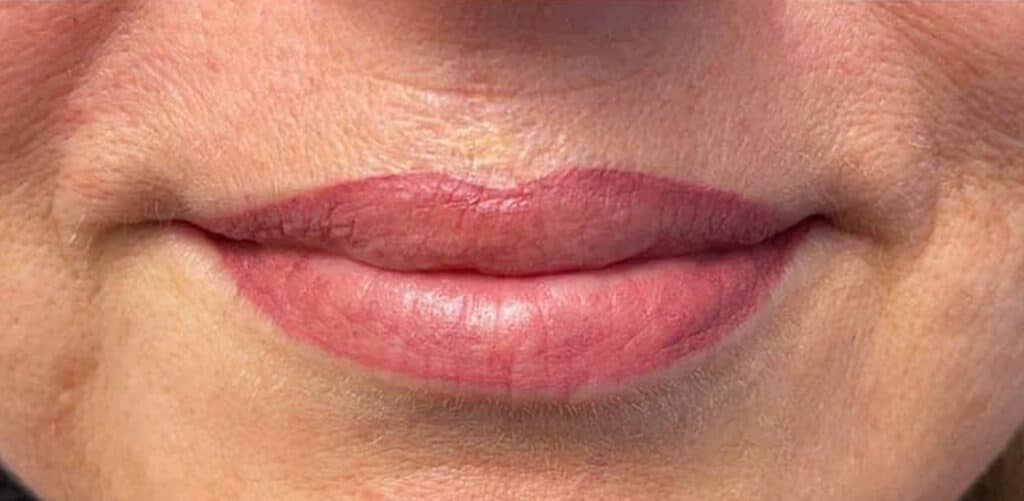
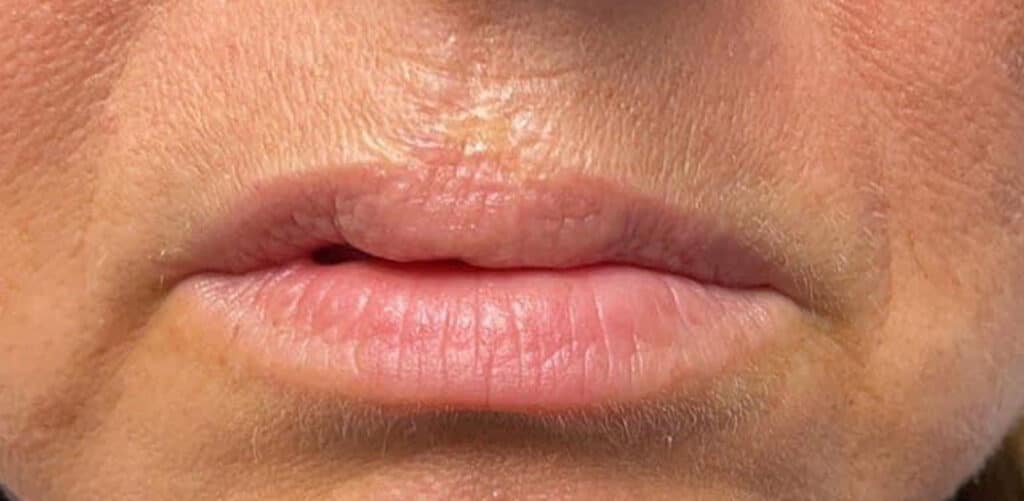
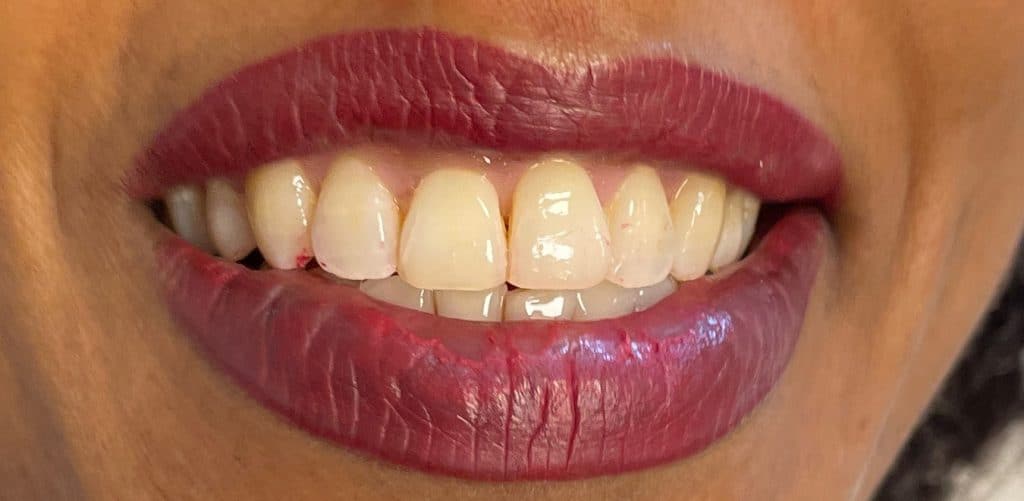
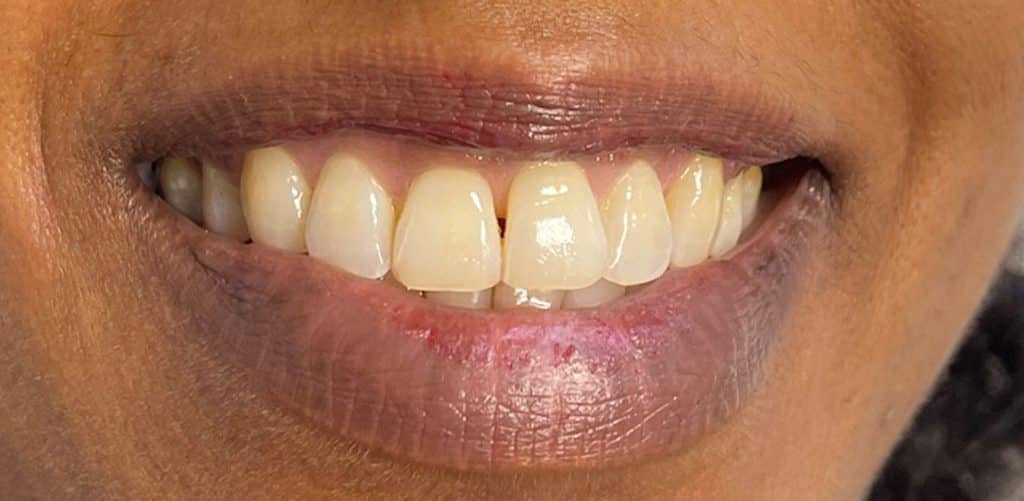
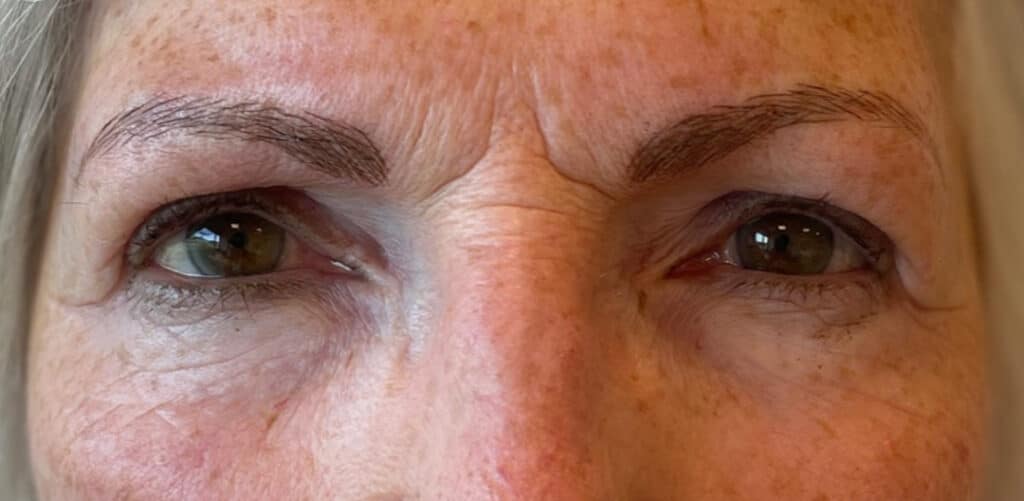
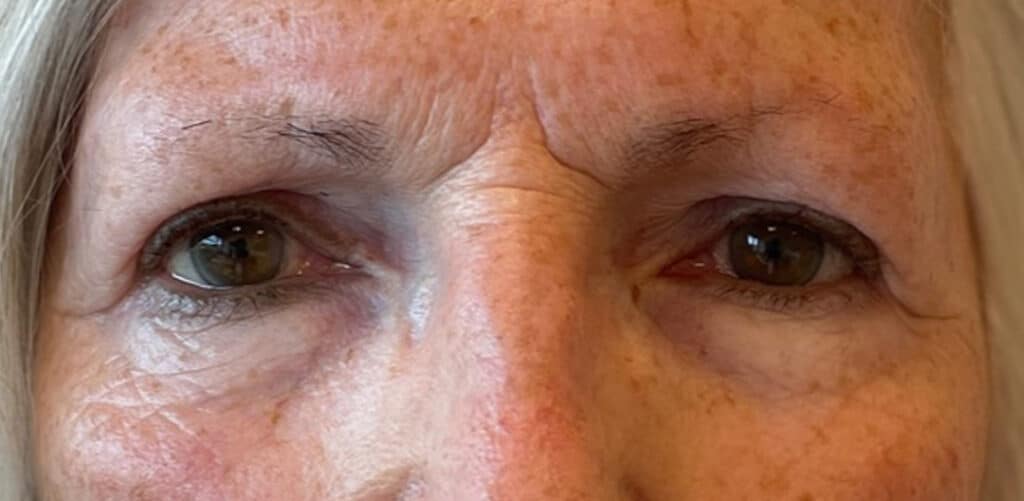
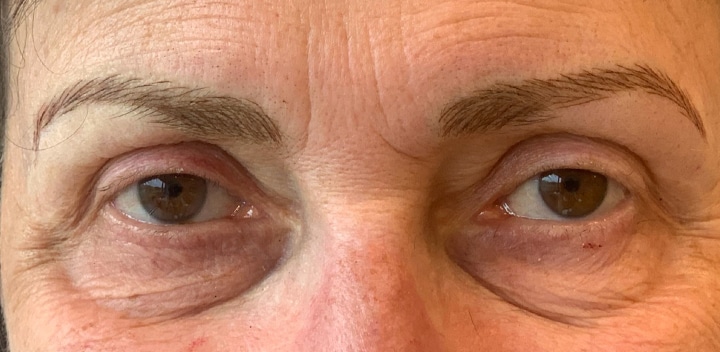
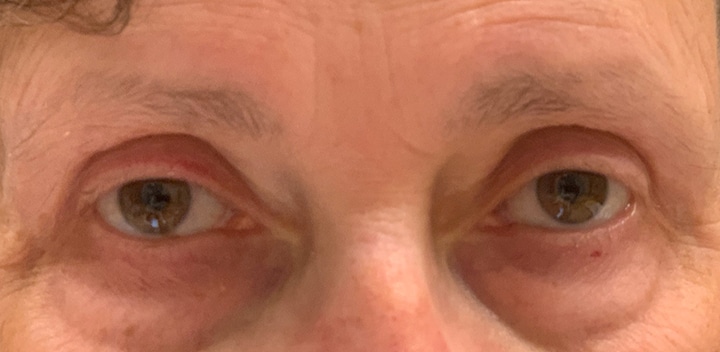
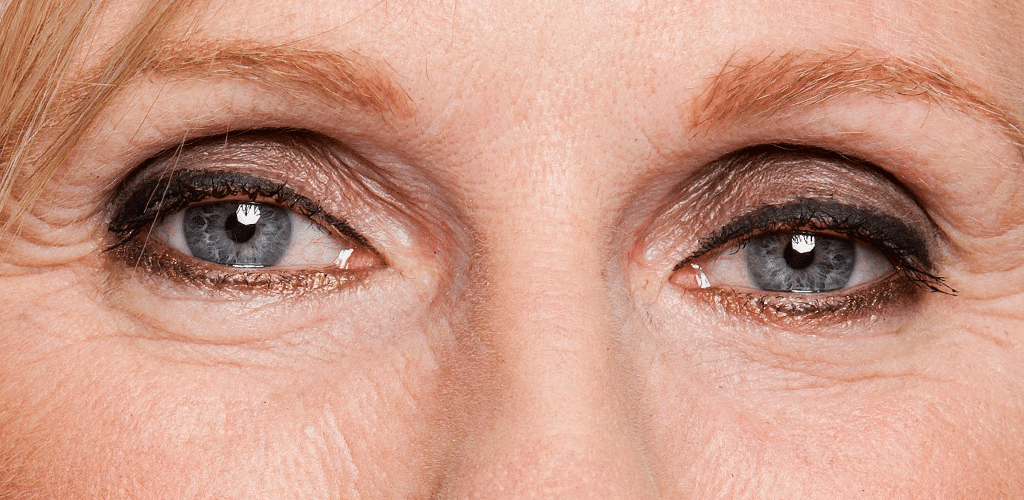
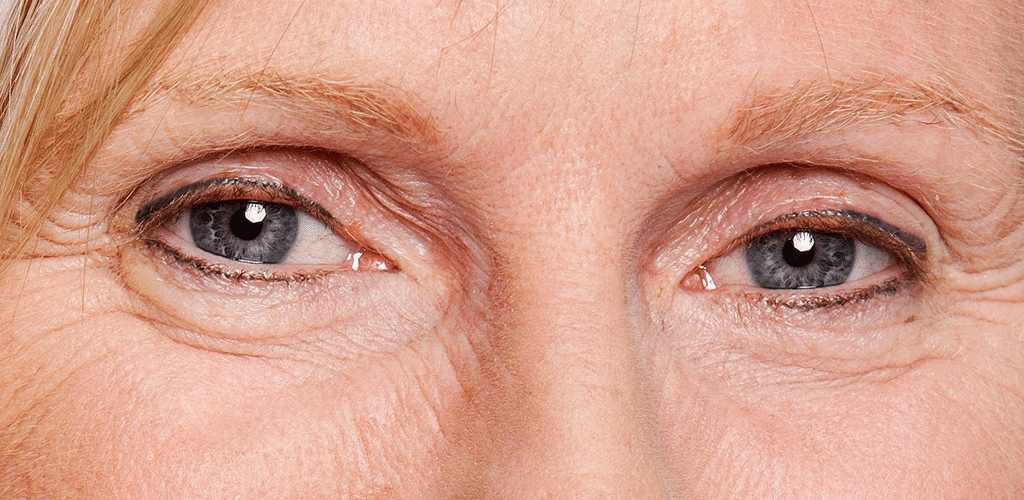
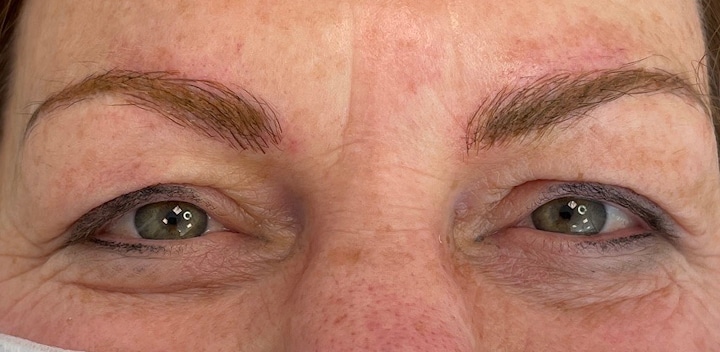
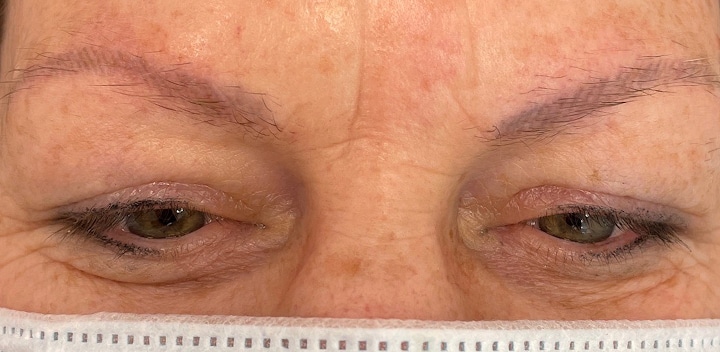
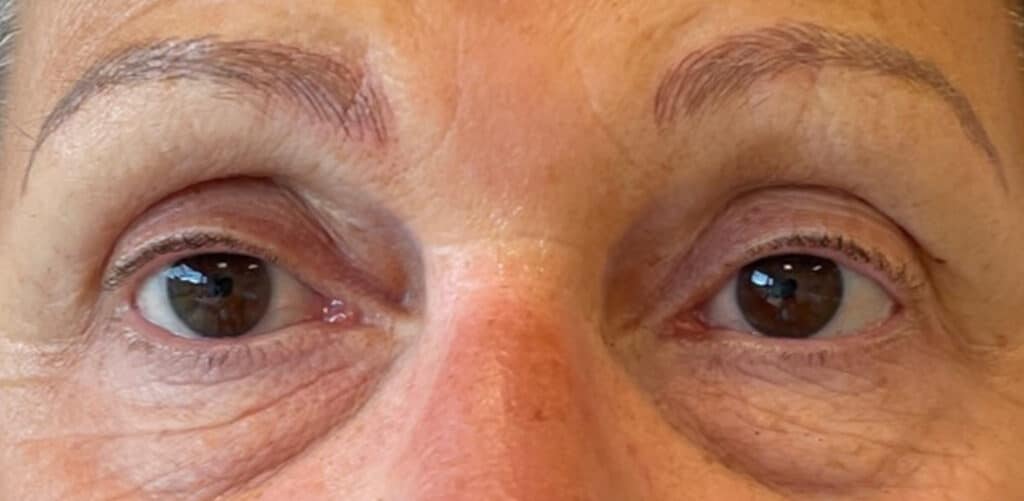
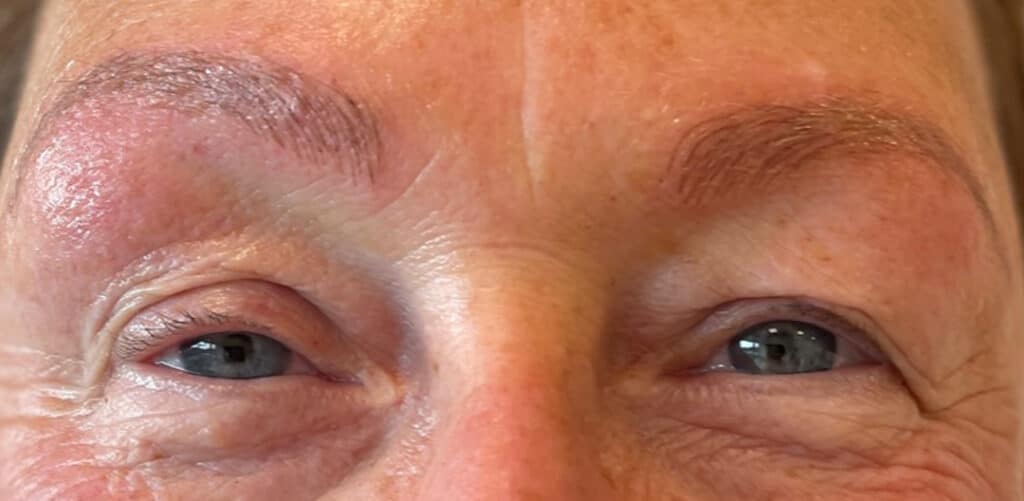
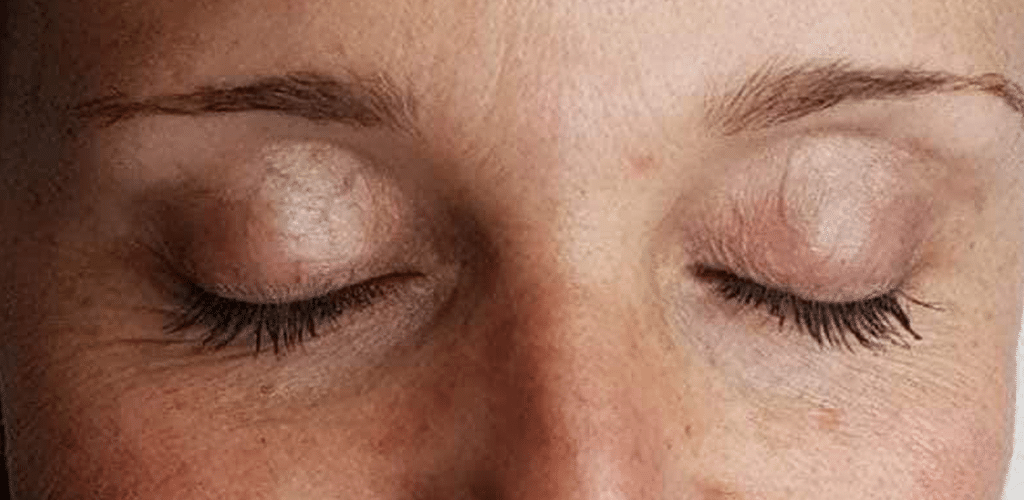
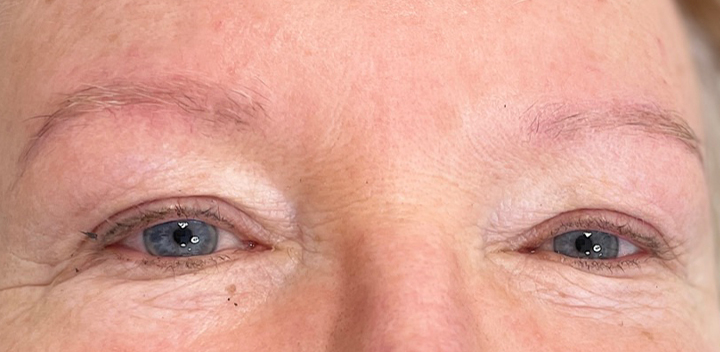
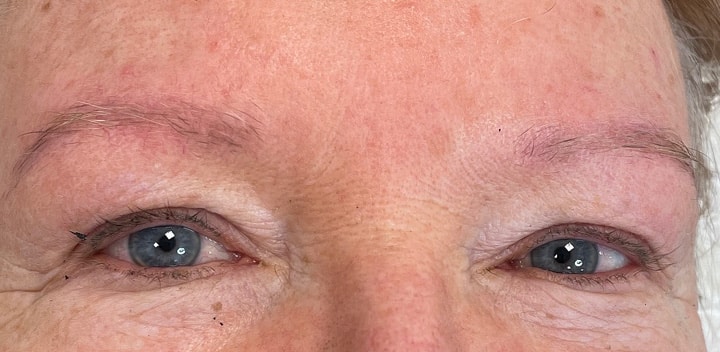
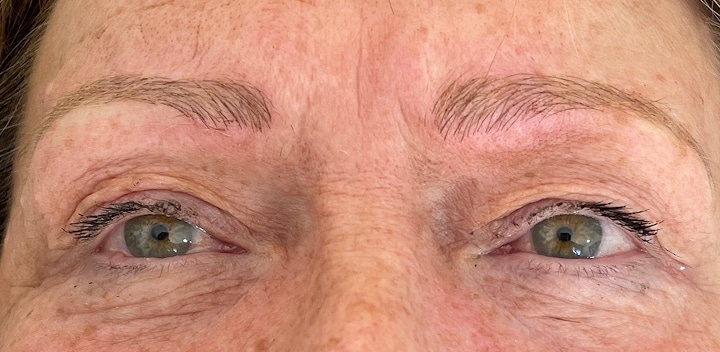
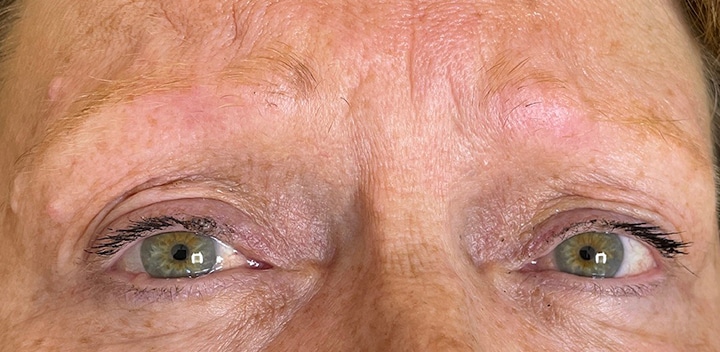
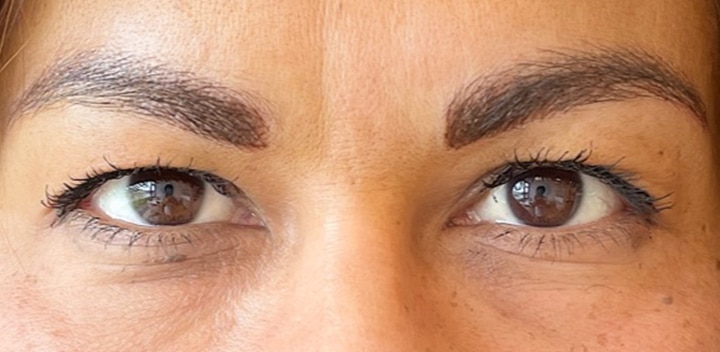
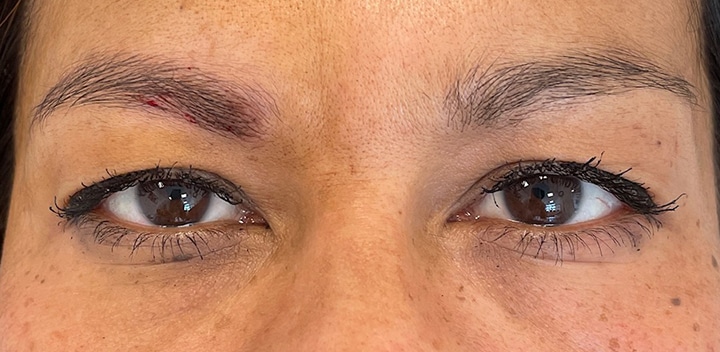
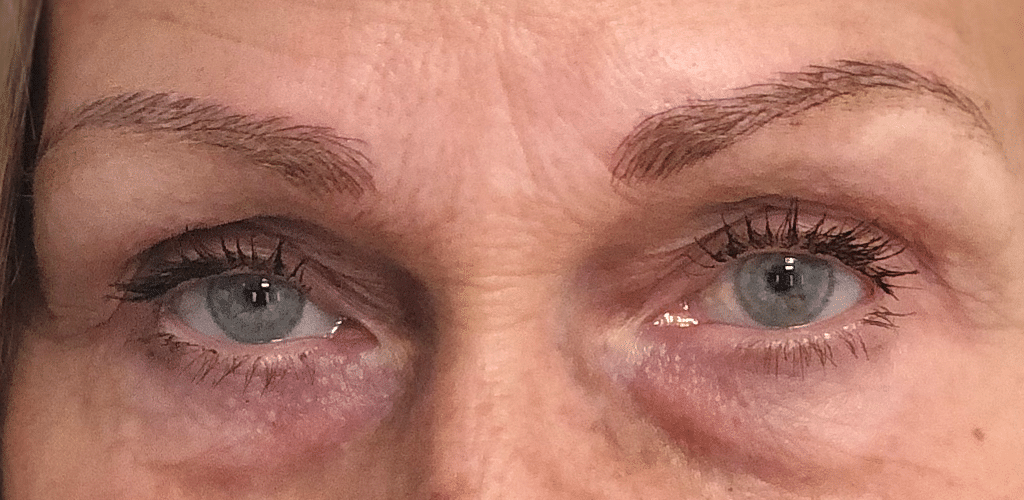
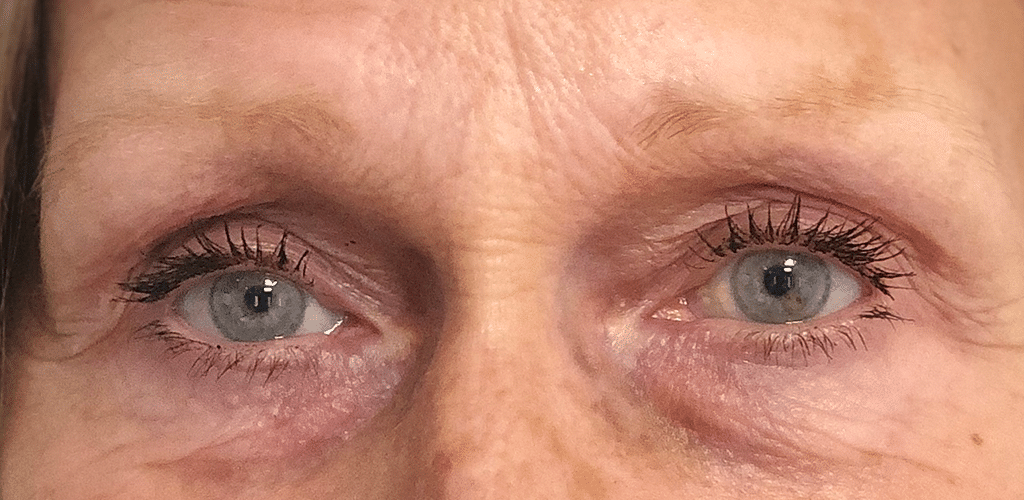
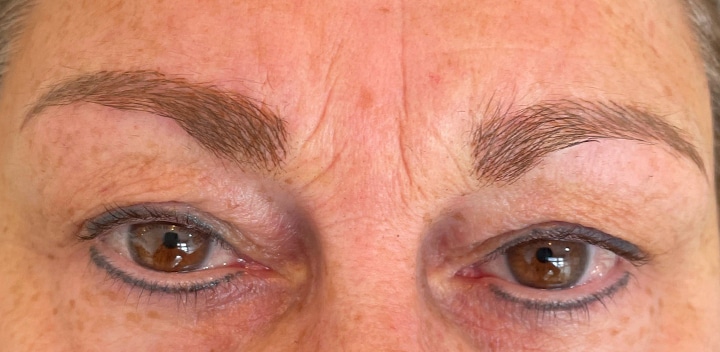
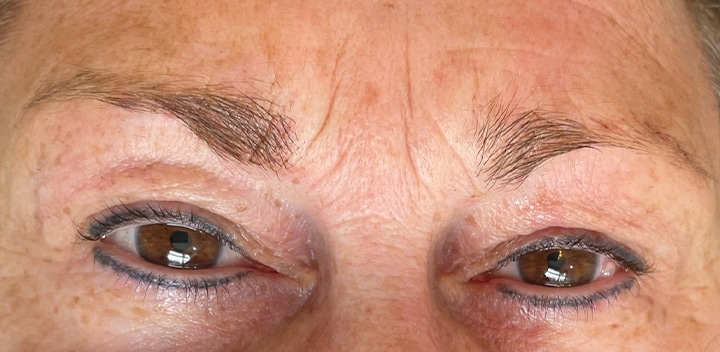
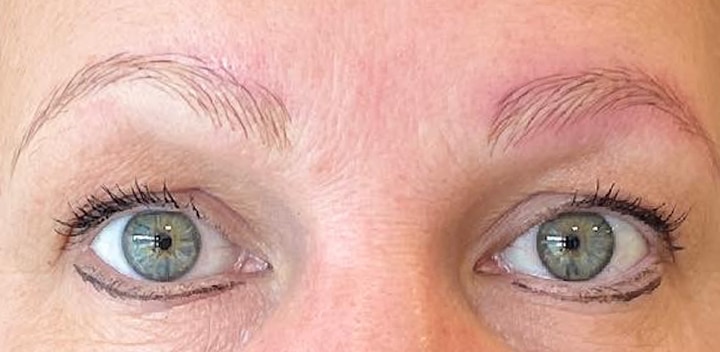
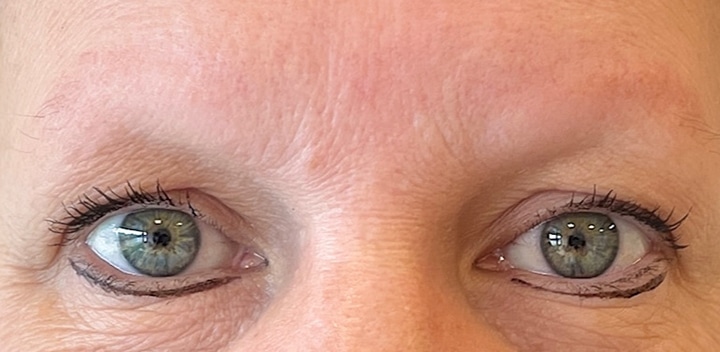
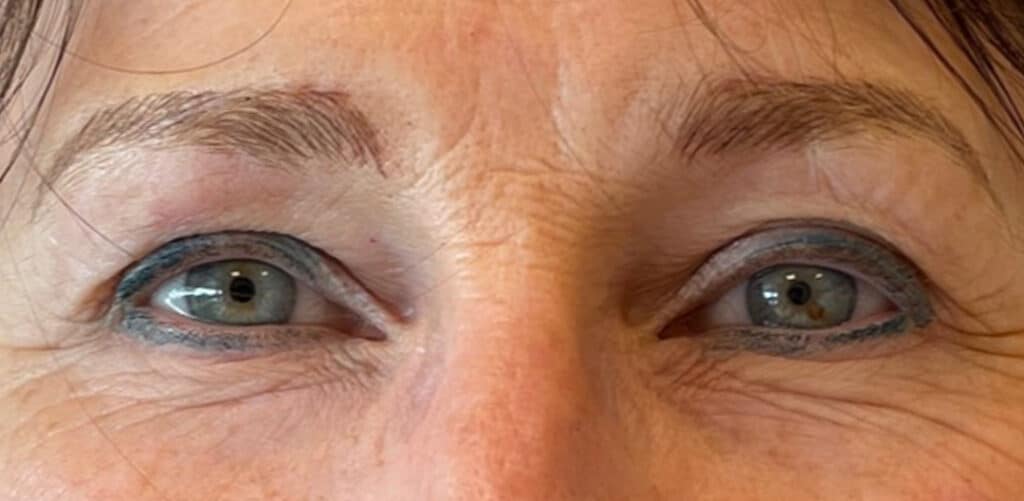
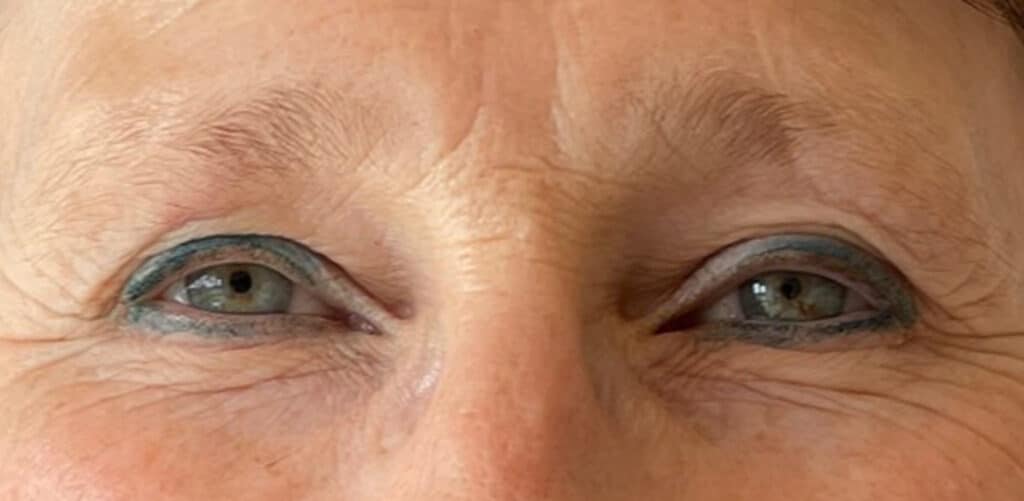
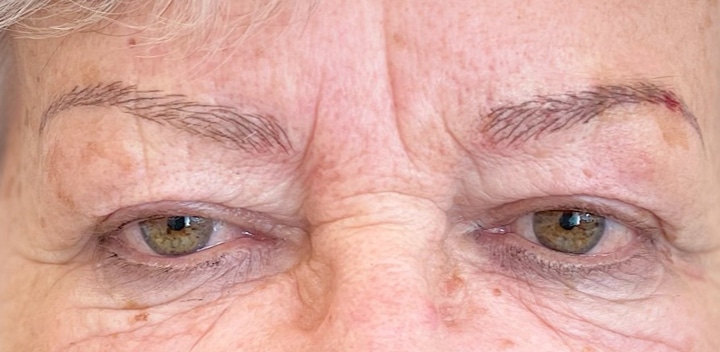
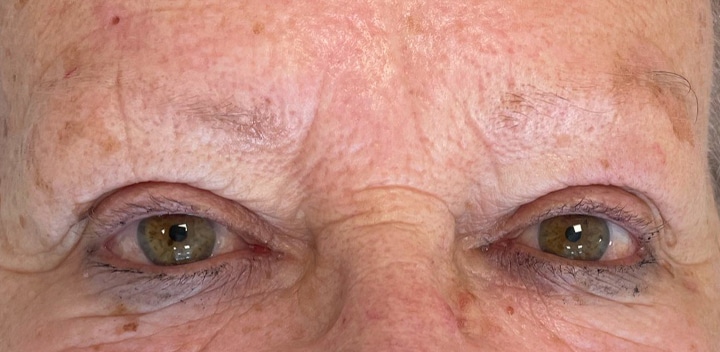
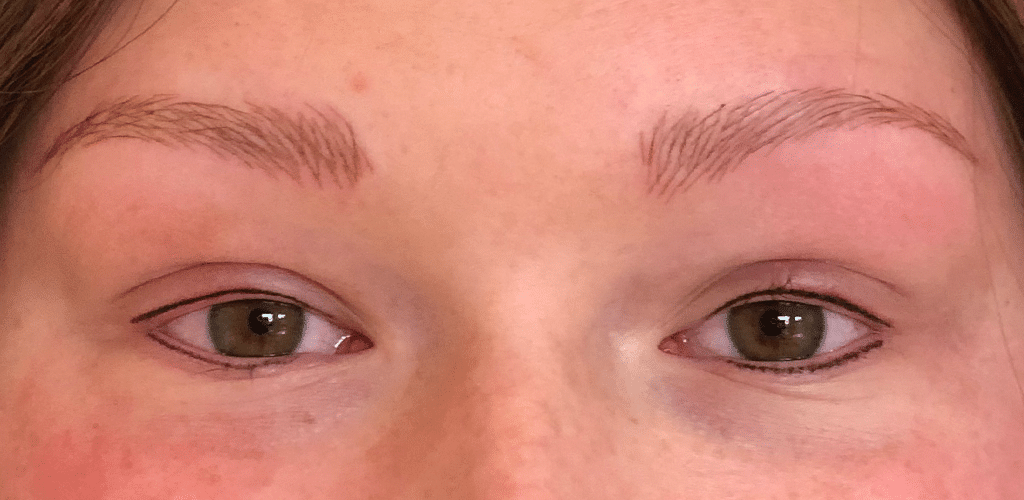
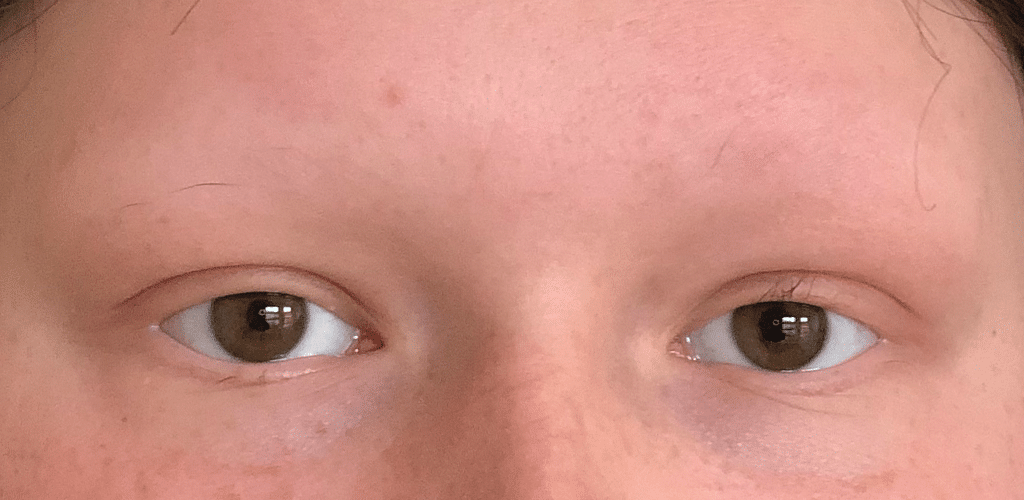
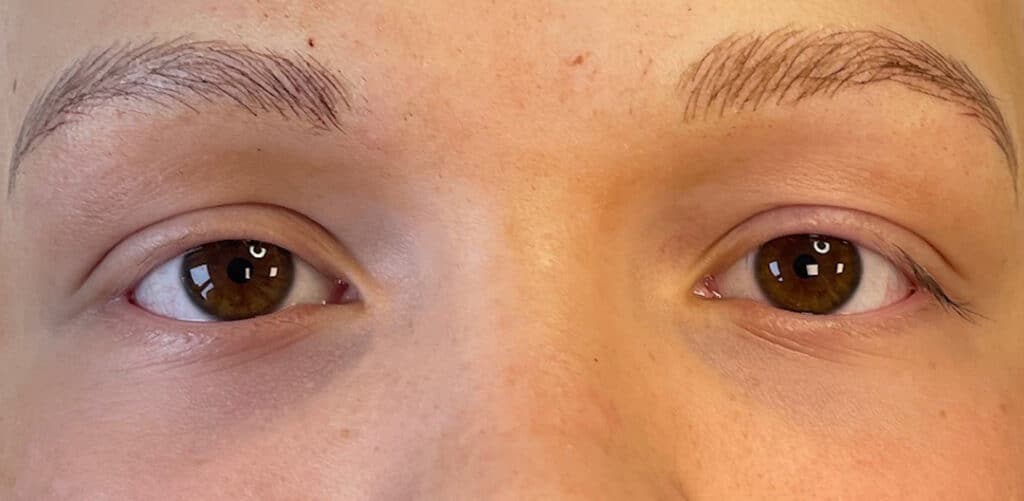
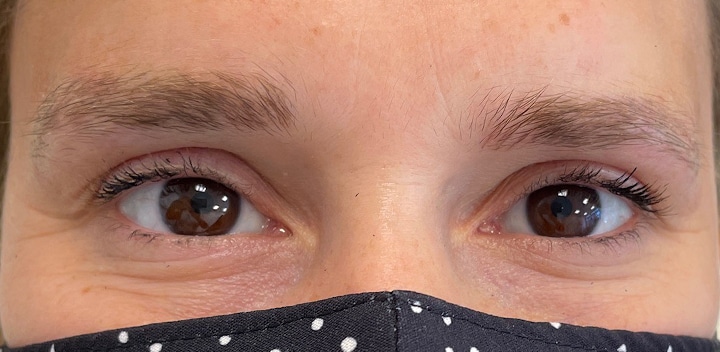
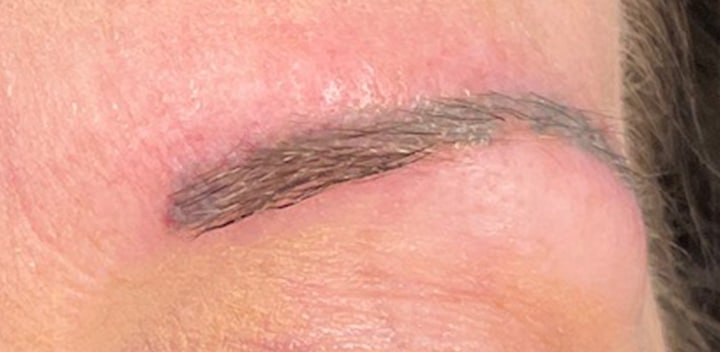
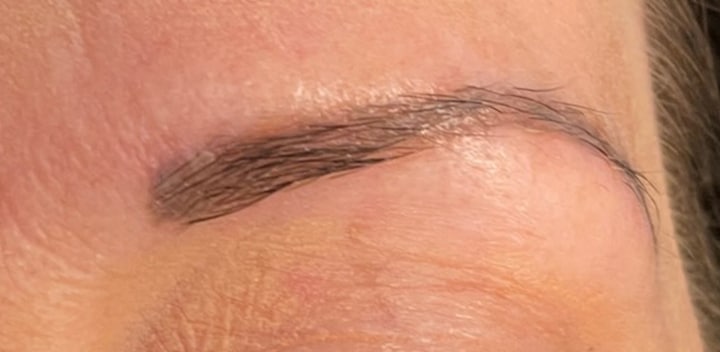
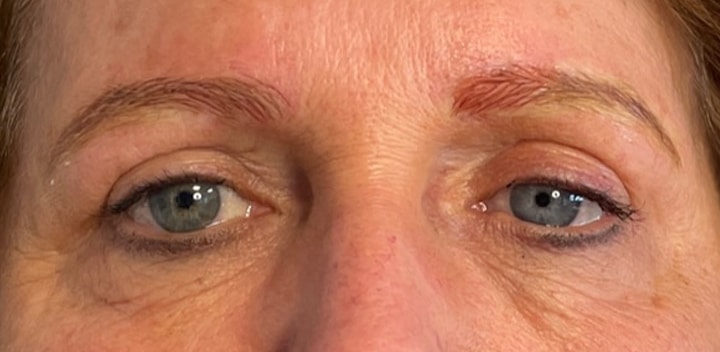
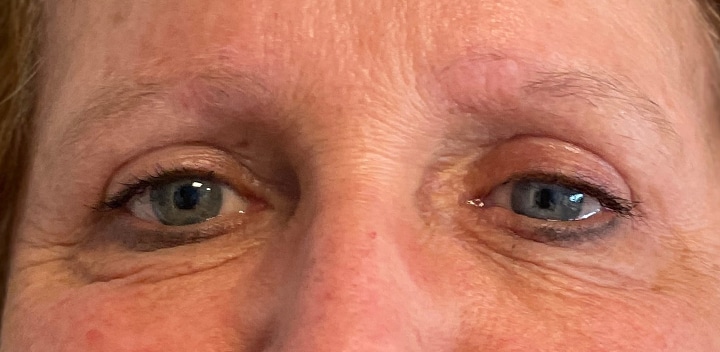
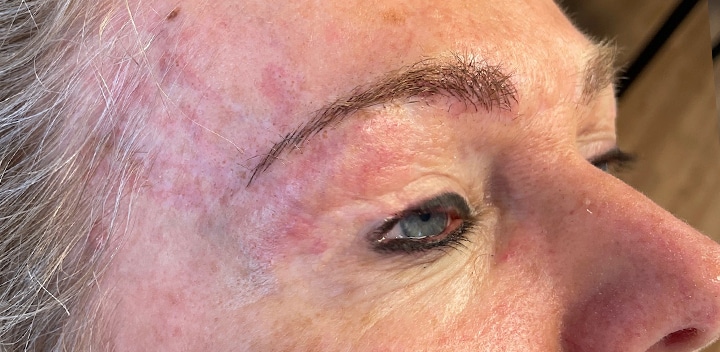
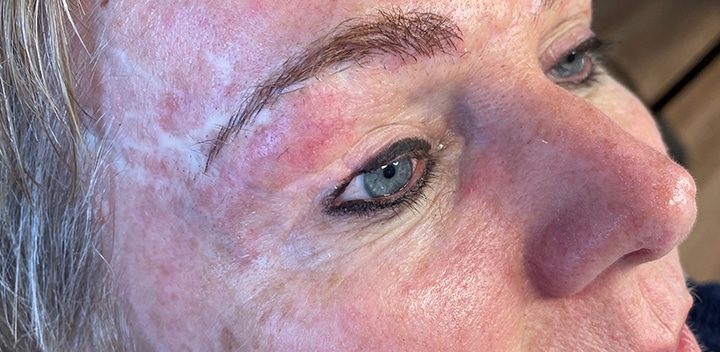
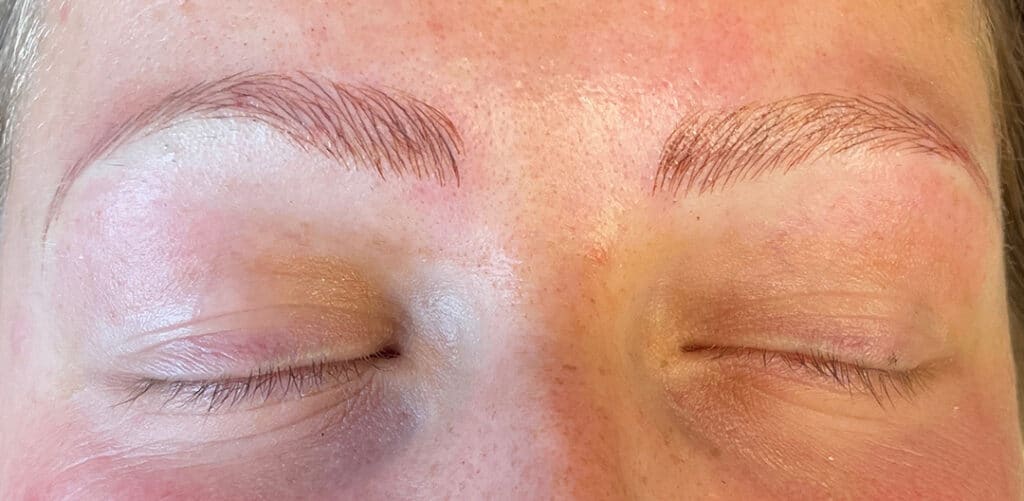
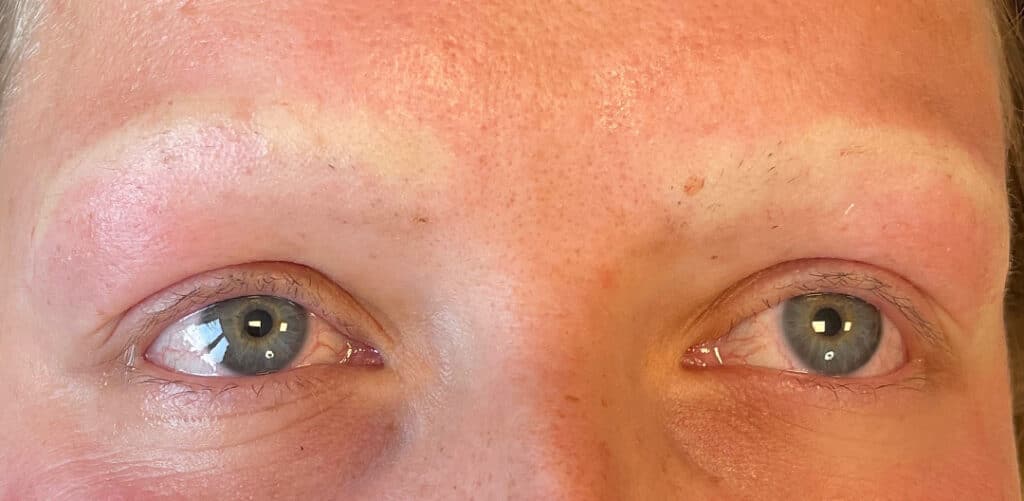
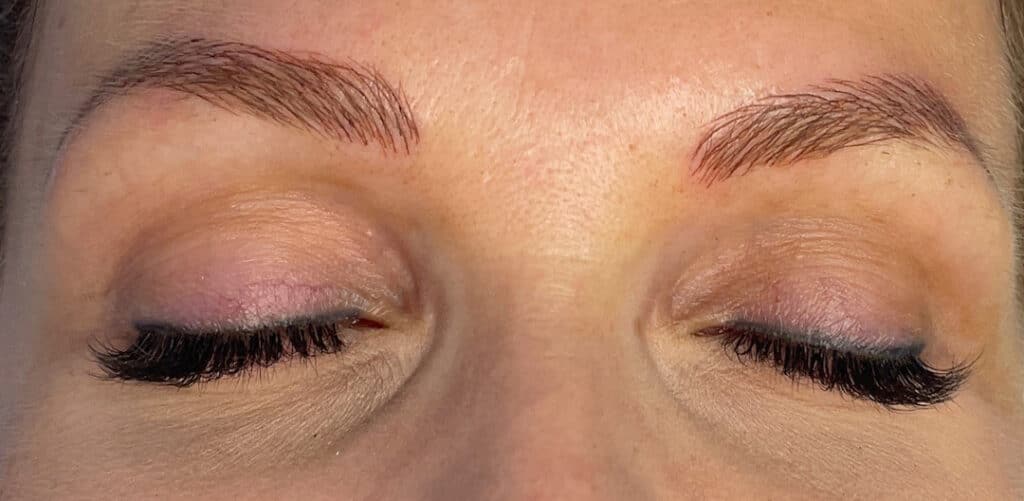
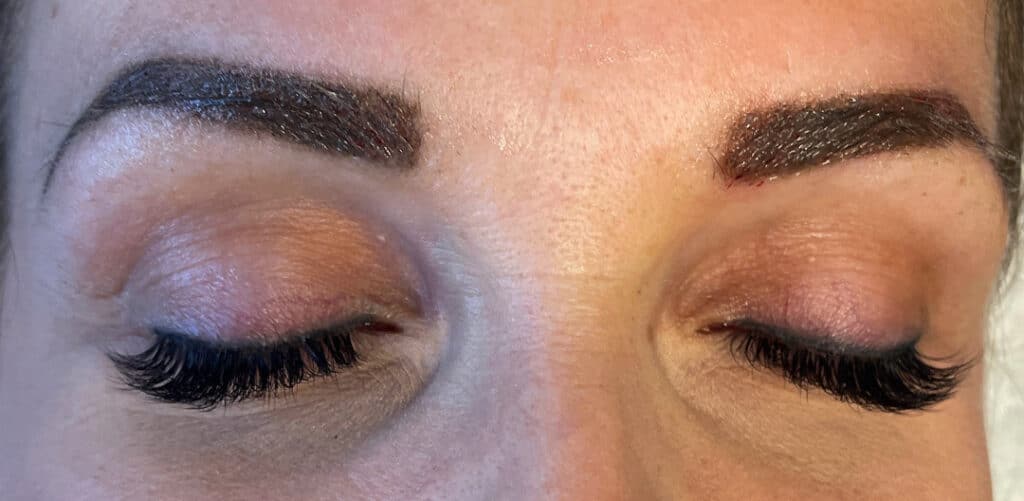
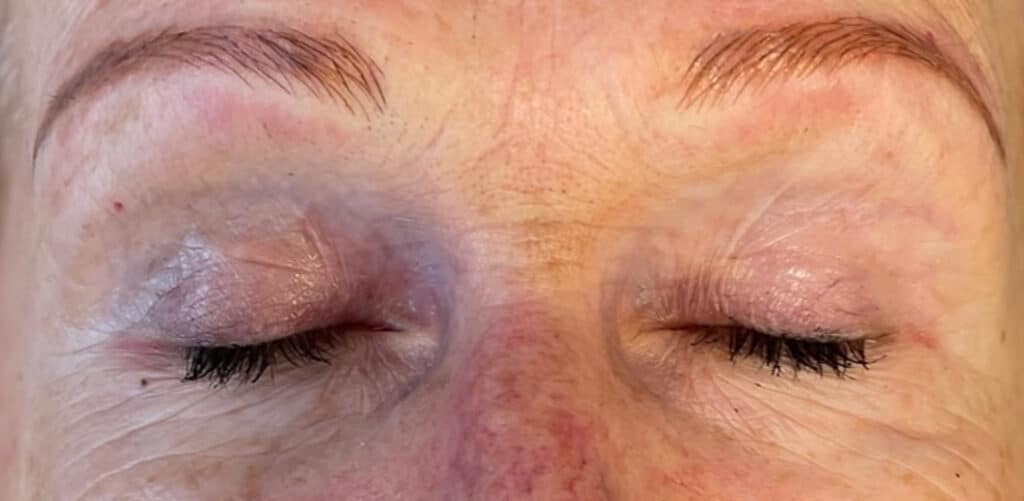
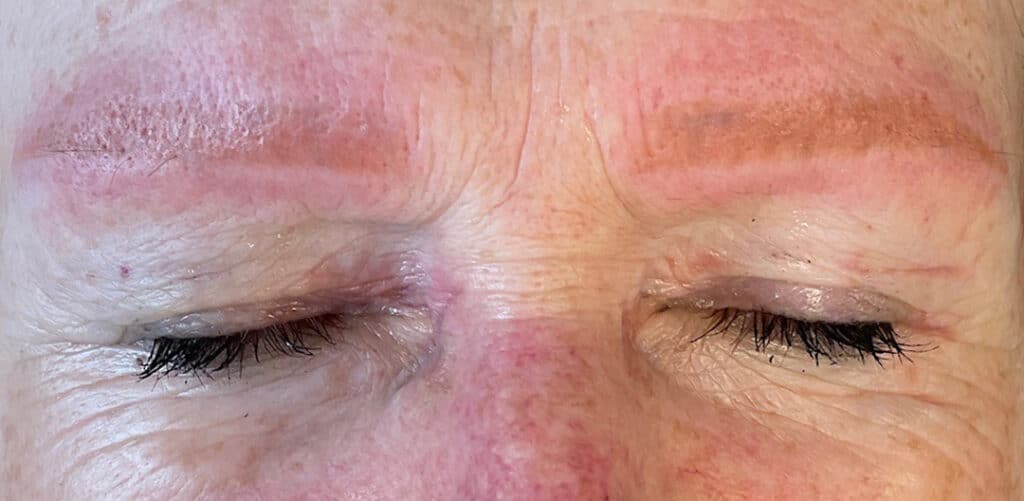
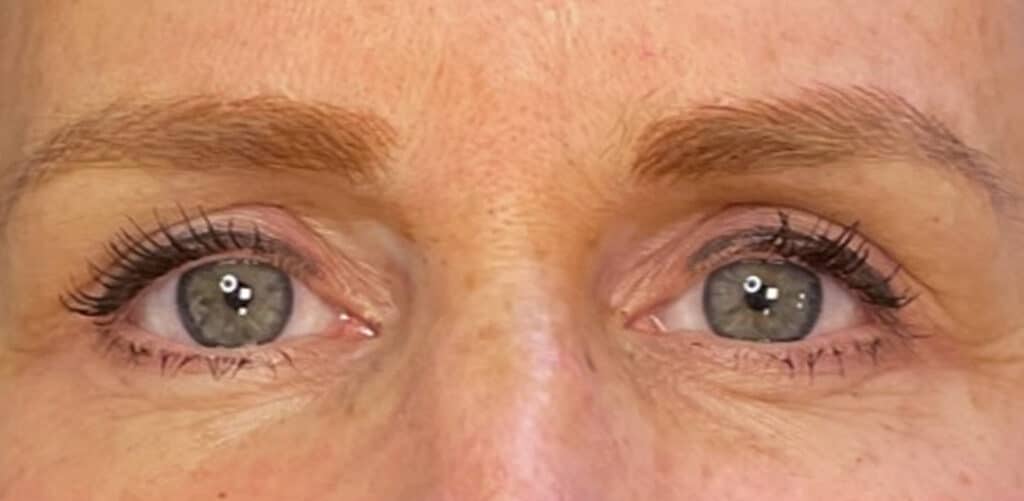
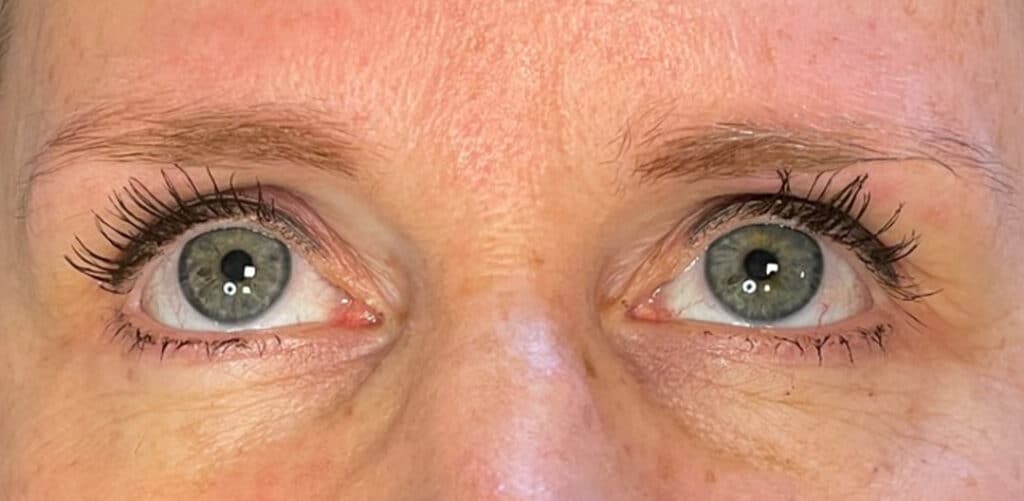
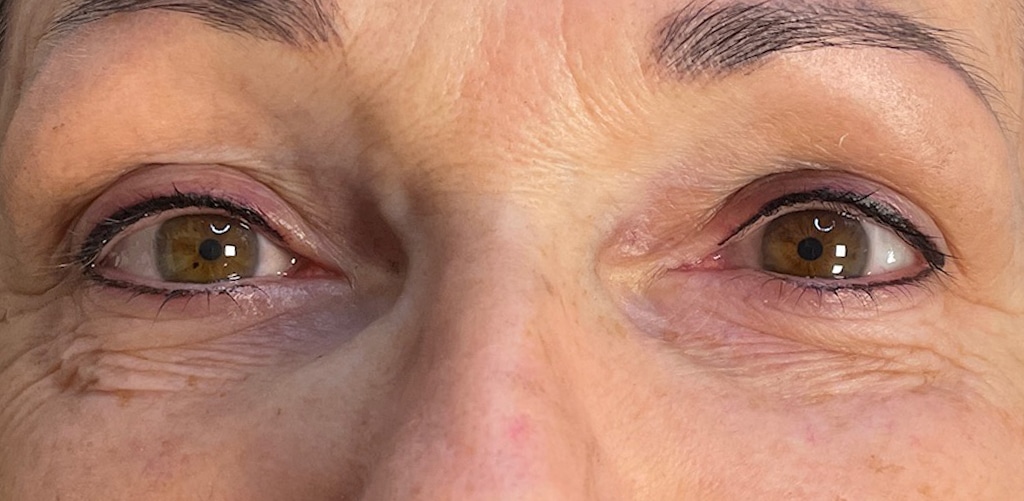
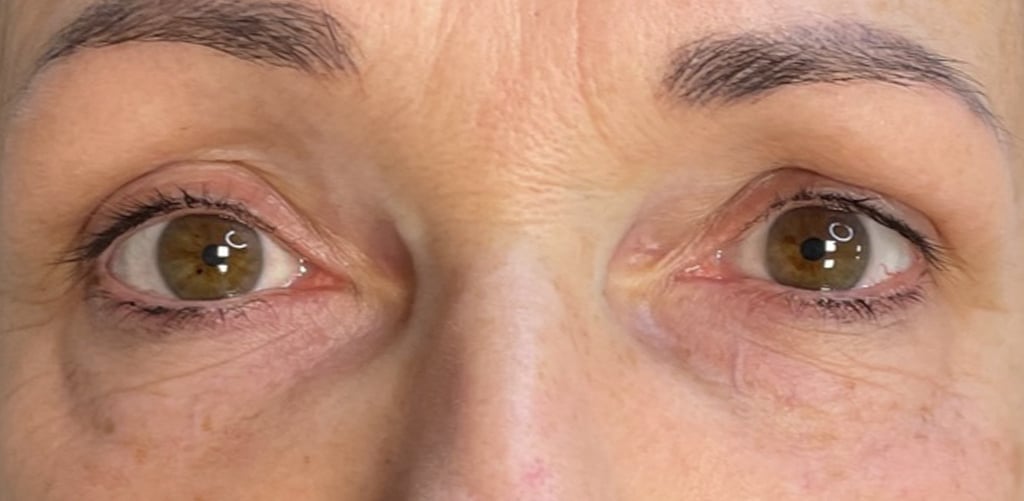
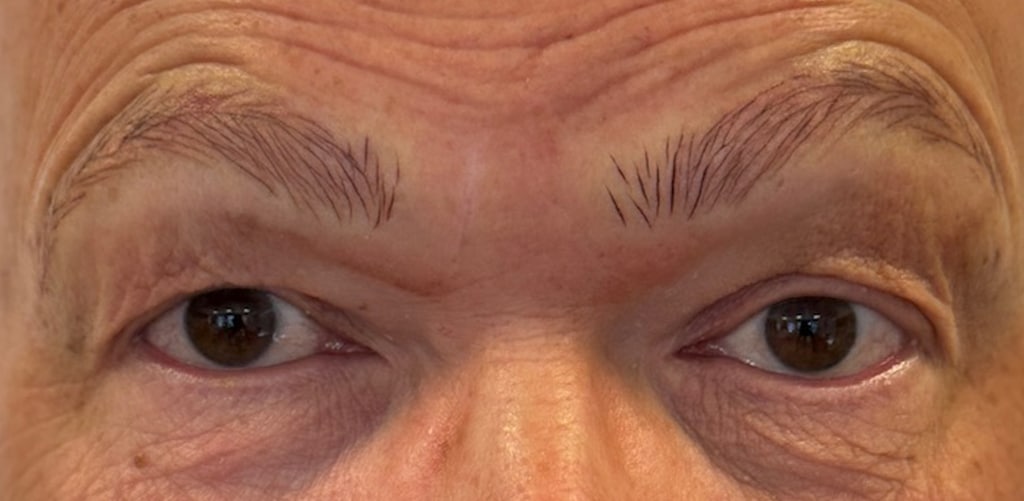
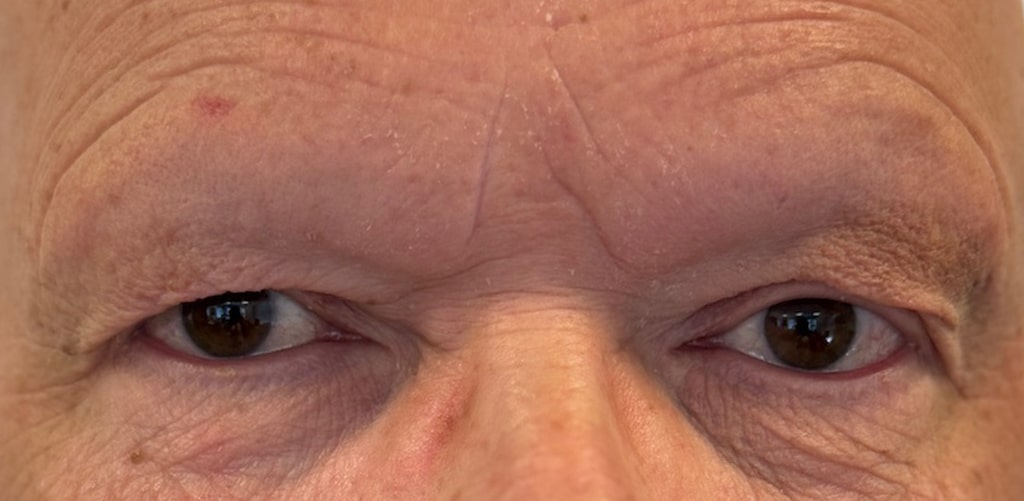
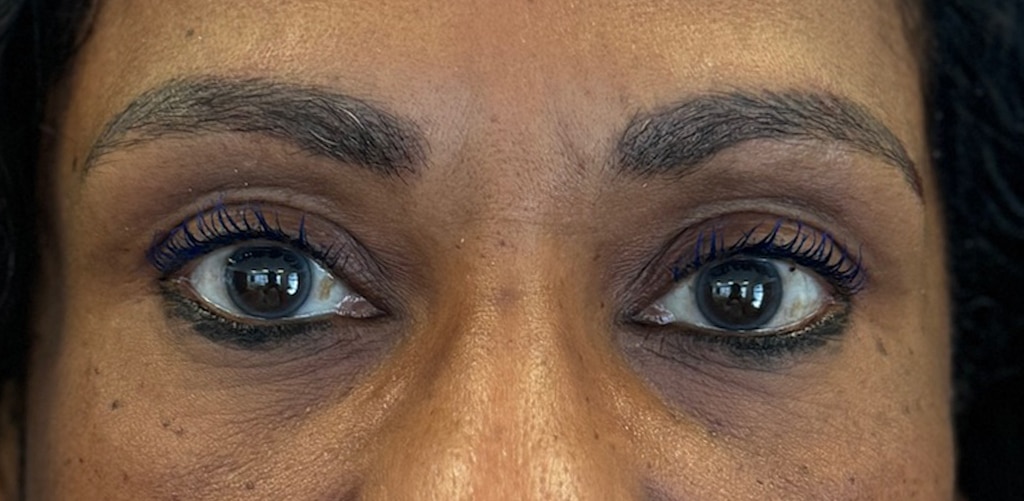
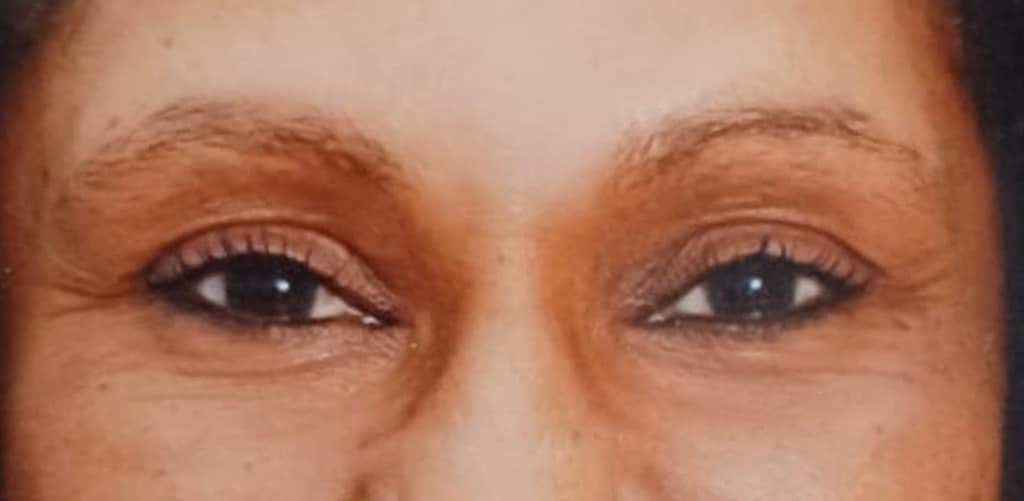
The first step is a no-obligation telephone (video) consultation. I get to know you, understand your medical history and we determine the right approach together. Only this way can we map out the tattoo perfectly and you know immediately where you stand.
The procedure itself consists of two treatments, at least 6 weeks apart. During the first treatment, we make a pencil drawing of the nipple and areola on your skin. Before tattooing, I can apply a soothing cream. The good news is that the treatment is virtually painless, as most people are numb in that area. At most, you will feel the vibration of the device.
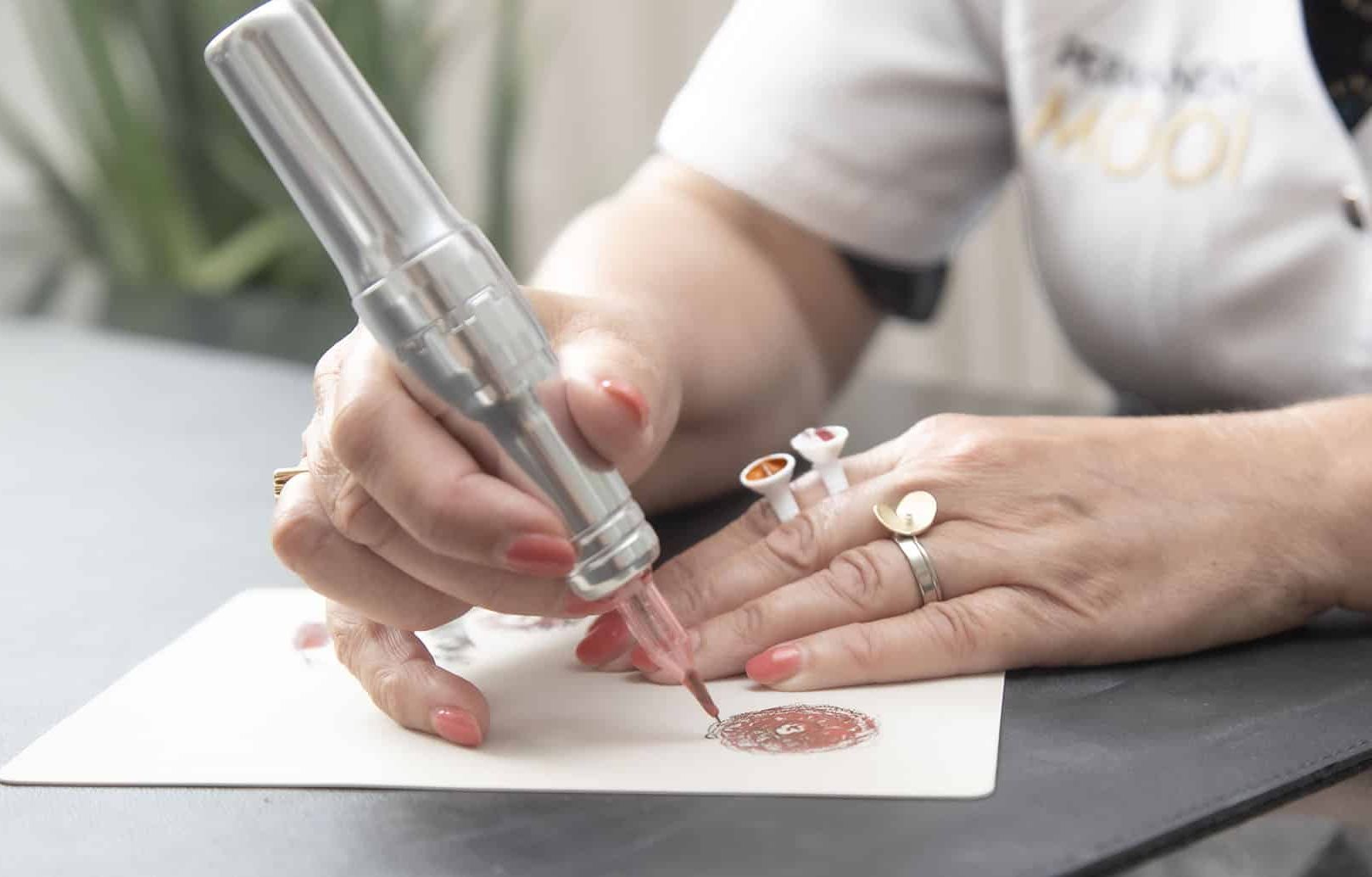
Next, pigmentation, also known as micropigmentation or dermatography, begins. Using an extremely fine needle, different colours of pigment are accurately applied in the top layer of skin.
A second treatment follows after about 6 weeks. The skin must be sufficiently healed before this treatment takes place. For tattoos applied after breast reconstruction, pigments may not only colour differently, but they may also not be absorbed or shed as well as in ‘healthy’ skin. This is because the skin of the new nipple comes from a different part of the body. As a result, pigments can react remarkably differently. This makes the second treatment crucial.
Don't hesitate to get in touch. I am here to answer all your questions and help you on the road to recovery and renewed self-confidence.
Schedule your appointmentAfter both treatments, it is very important to take good care of the tattoo. I provide you with detailed instructions and give you the necessary cream to use at home. Restoring your body is a process that doesn’t stop after the treatment. I am there to guide you. So, if you have any questions, don’t hesitate to contact me.
3-D effect
I use various hues and pigments to achieve a natural look, including the dark-coloured glands that appear on cold or heat stimulation.
Several dermatologists and plastic surgeons recommend me for medical tattooing. Several hospitals recommend me, such as hospitals Klina Brasschaat and Cosmipolis in Bruges. Read more about my collaboration with other specialists.
I am Janny Hanegraaf, specialist in medical tattooing and permanent make-up. During a no-obligation telephone (video) consultation, I can explain to you how medical tattooing (nipple hip tattooing, scar colouring and so on) supports recovery on an emotional level.
As a matter of course, I understand that it is an important decision for you. That’s why I cordially invite you. This is the ideal opportunity to get to know me better. You can ask all your questions and discuss your wishes. This makes clients feel at ease and satisfied with the result. You’ll find that in the reviews, for instance. Together, we take steps towards recovery and renewed self-confidence.
Most people experience it as short, warm pricks. I work with cooling, a small spot and a low frequency. You can find everything about PMU removal here.
Dark and grey pigments respond well to laser.
Yellow, orange and some camouflage pigments respond better to removal.
White pigment prefers not to be lasered. That is why I combine techniques. You can read about this at PMU removal.
Yes. I treat many women between 50-70 years of age.
I do not use harsh alkaline removers or high laser settings. Safety always comes first.
The virus itself is not dangerous to the person undergoing PMU treatment. However, an active cold sore can affect the pigment, making the result blotchy or keeping the pigment unevenly distributed. This can usually be corrected during the second treatment. During a PMU treatment, the skin experiences a slight ‘stress situation’. Normally this is not serious, but in people who carry the herpes virus, it can activate the virus.
If you have ever had a cold sore, you can ask your GP for a course of antiviral drugs (for example, Aciclovir or Valaciclovir). Start this 1 day before or on the same day of the PMU treatment. The GP determines the correct dosage and frequency. With this preventive approach, the chance of a breakthrough is still only about 7%.
So are you prone to a cold sore or other herpes outbreaks? Ask your GP for more information in advance and inform the permanent make-up specialist. Send a if you would like more information.
No, in most cases herpes is not dangerous, the symptoms usually go away on their own. Recovery can be supported by paying attention to diet, seeing your doctor if necessary or taking supplements. Read the article on herpes and cold sores.
On average, within 3 to 5 days. This varies by skin type and how well you follow up on aftercare.
No. Only use the special aftercare cream you are given. This supports recovery and protects pigmentation.
When in doubt, contact me, most quickly via or in case of clear signs of infection: always contact a doctor.
The entire healing process takes about 6 weeks. During this period, you will see phases like slight swelling, peeling and the gradual lightening of the colour. The final result is only clearly visible after 5-6 weeks. It also varies from person to person. Some people heal faster than others. Medication use may also have an effect. If you have any doubts about this, always ask your treating doctor before getting permanent make-up.
On average, within 3 to 5 days. This varies by skin type and how well you follow up on aftercare.
Scabs can range from small sheets to a thin membrane or some dark spots. Most important: do not scratch or pick. This will prevent scarring, infection and reduced ability of the pigment to ‘settle’. You can read many more post-treatment tips here.
The number of treatments to remove permanent make-up depends on:
I often remove leftover old pigments to apply the new permanent make-up safely and carefully. For more information, check out the Permanent Makeup Removal page or read the blog about grey eyebrows.
Permanent make-up always remains visible, but the intensity does diminish over time. This fading varies from person to person and depends on your skin type, chosen colour and age. Frequent exposure to UV light contributes to fading. The lighter the pigment colour chosen, the faster the permanent make-up will fade. So it remains advisable, permanent make-up should be regularly touched up. The guideline for light colours, such as eyebrows, touch-ups are recommended after 1-2 years. Dark colours or an eyeliner, for example, remain permanently beautiful for about 2-3 years.
No, only the principle is the same. The depth of application of pigments into the skin is different. With tattoo and permanent make-up treatments, a certain colour pigment is applied into the skin with a needle. With tattooing, you work deeper into the skin layer, close to the connective tissue. This has consequences for the final colour result. In the face, and especially around the eye, the skin is very thin, so care is needed.
Permanent make-up is placed in the dermis. Furthermore, the equipment used, the composition of the pigments and the application techniques are different. Watch the video I made on the difference between permanent make-up and a regular tattoo.
For the first 2-3 days after the treatment, the pigmentation is much darker than the intended result. Due to your natural cell renewel, the final colour result of the pigmentation will only become visible after 3 to 5 weeks.
I will of course explain everything to you beforehand during a free telephone consultation.
After applying a medical tattoo such as colouring scars, you don’t need to do anything special. Just take very good care of it, avoid getting it too wet and so on. I will give you the guidelines so that you can take good care of your tattoo. This benefits the final result. I will go through this and the entire treatment thoroughly with you.
At Permanent Mooi, you can choose from a wide range of colours for all skin types. Thanks to my years of experience, I advise you on which colour best suits your skin and gives the most natural result.
In the Netherlands and Belgium, the regulations vary by insurance company.
I advise you to contact your health insurance company yourself regarding the conditions your health/mutuel insurance company sets for reimbursement of this treatment. Before inquiring the health insurer, please contact me first so that I can assist you with this.
Pigmentation for a nipple/areola tattoo is (virtually) painless, as there is usually no sensation in the breast. The only thing my clients feel is the vibration of the equipment.
Thanks to my latest equipment and a soothing cream, pigmentation or tattooing is virtually painless. You may always take a painkiller beforehand such as paracetamol or Dafalgan.
Are you menstruating? Then permanent make-up and medical tattoo application may be more painful.
I advise against alcohol, caffeine and aspirin on the day of the treatment. This affects sensitivity.
You can also apply Emla cream yourself beforehand. This is available on prescription at the pharmacy. Read the instructions for use of the Emla ointment carefully and don’t forget to cover the ointment with the supplied foil patch.
First of all, we have an extensive telephone consultation after you have been referred by the plastic surgeon. During this, I aim to gain inside your personal profile and medical status. Tis allows me to accurately map out the pigmentation, as the shape and colour of the nipple and areola reconstruction ultimately determine the result.
You must wait at least six weeks after the last surgery (nipple reconstruction), permission from the surgeon or doctor is needed and your physical and mental condition must be in order. And when you are ready, you will close a chapter of your life with this medical tattoo. It’s not that you forget this period, but you do need to come to terms with it. Click here for more information on nipple/areola tattooing.
The application of medical cosmetics is usually performed in 2 treatments of 1.5 to 3 hours. This includes the consultation, pre-drawing, colour selection, pigmentation and finishing. Naturally, the duration depends on the chosen technique and the size of the skin surface. A minimum of 2 treatments is required with an interval of 6 weeks.
When you can start colouring a burn scar with medical tattooing depends on the type of scar and the degree of the burn. You can find more information about different stages and type of scars on the page about Colouring scars. You can read more about burn scars and how I adapt each treatment to the client’s needs in the blog A solution to burn scars.
Yes, scars can be coloured in with permanent make-up. This is also known as medical tattooing, or dermopigmentation. But, not every scar is suitable for permanent make-up, you can read more about this under Colouring scars.
At Permanent Mooi, every treatment starts with a telephone intake. This is how we get to know each other and your medical background. Together, we determine the method that will provide the best and most natural result for you. You easily make this appointment yourself online.
The application of medical cosmetics is usually performed in 2 treatments of 1.5 to 3 hours. This includes the consultation, pre-drawing, colour selection, pigmentation and finishing. Naturally, the duration depends on the chosen technique and the size of the skin surface. A minimum of 2 treatments is required with an interval of 6 weeks.
After applying the permanent make-up, you do not need to undergo any special treatment. I will give you instructions so that the final result will be optimal. After the treatment, I go through all the guidelines with you thoroughly. Take good care of your permanent make-up and you will enjoy it for longer
For the first 2-3 days after treatment, the pigmentation is very much darker than the intended final result. Due to natural cell regeneration, the final colour result of the pigmentation will only become clearly visible after 3 to 5 weeks. After the treatment, you can walk the streets with peace of mind. Read all about the procedure, aftercare and follow-up appointment
Yes. You can still apply extra party make-up or make certain parts of the face more highlighted. Permanent make-up accentuates your natural face shape. Applying extra make-up is always nice for a night out. Test for yourself if you are suitable for permanent make-up.
No, permanent makeup is not dangerous. As with all treatments, there is always a small chance of side effects or complications. I will explain everything to you during a free telephone consultation. My practice and the materials I use meet the requirements set by the government. I hold a permit from the GGD. View the GGD registration here.
Having permanent makeup applied professionally is not cheap. But what is expensive when you realize what you get in return? Many have gone before you. I often hear after the treatment: “I should have done this much sooner.” Well, what is expensive then… I know that your life is precious, and if you can give yourself ease and comfort with permanent makeup and medical tattooing, why not? That way, you wake up every morning with a radiant and expressive face. And even after swimming, exercising, or other exertion, your makeup remains perfect. So, permanent makeup isn’t just about a line. You go home with a boost of self-confidence, daily comfort, and the luxury of an always radiant face. You can read that and more in the blog.
Strictly speaking, a temporary tattoo does not exist. Permanent makeup pigments do fade and sometimes become inconspicuous between the eyelashes and along the lip line over time. This can happen, for example, because they are placed less deeply into the skin. With a temporary tattoo, the pigment will also fade, but it never disappears completely. Therefore, a blurry spot always remains in the skin. That is the reason why I do not apply temporary tattoos. Read the permanent makeup application procedure here.
Permanent make-up always remains visible, but over time the intensity does fade. That fading depends on person to person. Lifestyle, natural cell renewal, immune system and the influence of UV light all play a role. Frequent exposure to UV light contributes to fading. The lighter the pigment colour chosen, the faster the permanent make-up will fade. Read more about touch-ups and permanent make-up fading in the blog. Frequently asked questions
Powder brows, also known as ombre brows, are a great option for anyone looking for a long-lasting eyebrow solution. You no longer need to touch up your eyebrows. Compared to microblading, powder brows have some minimal drawbacks, I list them below: One of the disadvantages is that the treatment can take longer than microblading, usually around 2-3 hours. ‘He who wants to be beautiful must suffer pain’ goes the saying. That does not apply to this treatment. But rather ‘Whoever wants to be beautiful must be patient’. It is important to realise that this extra time is needed to create an even surface that looks natural. Another disadvantage may be that the initial cost may be slightly higher than for microblading. The effect of powder eyebrows is different from microblading. This is certainly not necessarily a disadvantage. Instead of drawing individual hairs, I actually create an even, pigmented layer. This creates a softer and more powdered look. However, the end result can be very similar to that of microblading, especially when microblading hairs come together. Creating symmetry can be slightly more challenging with powder eyebrows, as it involves working on a larger area. Microblading, on the other hand, is applied more airily, making any symmetry issues less visible. Read more about microblading and powder brow. See the general page on eyebrows and how they work here.
No way, luckily I can reduce those for you from unpleasant stimuli to an absolute minimum. This is possible thanks to our computer-controlled pigmentation machine and soothing cream. You can always take a painkiller such as paracetamol or Dafalgan beforehand. Application of permanent make-up during menstruation is often more painful due to hypersensitivity. Avoid alcohol, caffeine and aspirin on the day of treatment. These affect blood vessels and anaesthesia. You can also apply Emla cream yourself beforehand. This is available on prescription from pharmacies. Read the instructions for use of the Emla ointment carefully and remember to cover the ointment with the foil patch provided. Take a look at the video I made on permanent make-up and pain below. Frequently asked questions
What is Permanent Makeup? A common question where people also sometimes ask “What is PMU?” That is the abbreviation for permanent make-up. Here you can read, among other things, what the difference is between permanent make-up and regular make-up. And in the article about “What is permanent make-up?”, you can read more about the possibilities that permanent make-up offers. With a permanent make-up treatment, eyeliners and/or eyebrows can be applied by pigments into the skin using a thin needle or blade, for microblading, just below the epidermis. It is an ideal solution for anyone who wants to look beautiful and well-groomed at any time of the day (and night), without any effort.
You can find that information on the procedure on my website, at the page procedure for permanent make-up step by step. Are you still in doubt? Read the reviews, more than 1,000 men and women went before you. Reviews
I use numerous colours to suit all skin types. I am happy to advise you which colour best suits your skin and colour. This is how I put permanent make-up true to nature.
Book a no-obligation consultation online
Schedule your appointment
Kooikersweg 203
5223 KE ’s-Hertogenbosch, The Netherlands
T: +31 6 13 22 31 31
E: info@permanent-mooi.com
Kapelsesteenweg 322
2930 Brasschaat (Mariaburg), Belgium
T: +32 3 644 9763
E: info@permanent-mooi.com
2026 © Permanent Mooi – permit for PMU –  refer patients to me