
There is good news for people with vitiligo. Biopharmaceutical company Incyte recently announced that the European Commission has granted marketing authorisation for an innovative drug called Opzelura cream. What could be the impact of this drug on those with vitiligo and how could it possibly change their lives? Could this vitiligo treatment really start to help people who have this autoimmune disease?
Vitiligo is an autoimmune disease in which the body attacks its own pigment cells, causing white patches where pigment has disappeared. It is an autoimmune disease for which little can be done. Camouflage including permanent make-up is a godsend!
The Committee for Medicinal Products for Human Use of the European Medicines Agency (EMA) gave a positive opinion on this drug. The European Commission also granted a marketing authorisation. So good news if you have vitiligo!
In my practice, I regularly treat people with vitiligo. The spots become less visible and you enjoy it longer than smearing camouflage creams.
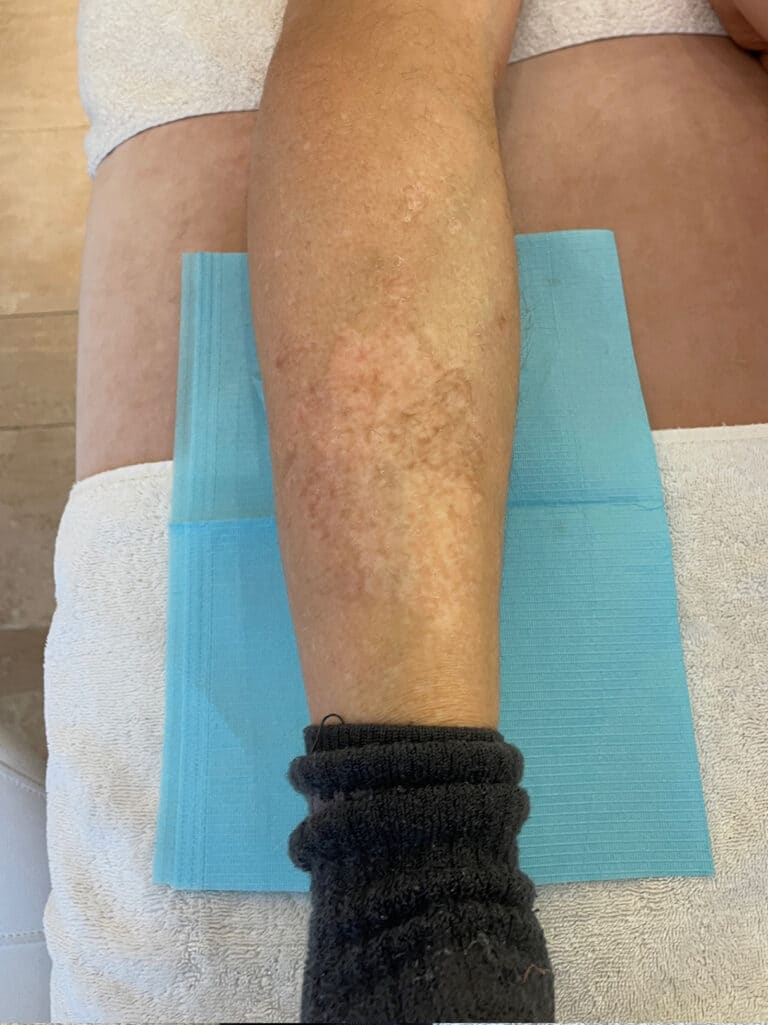
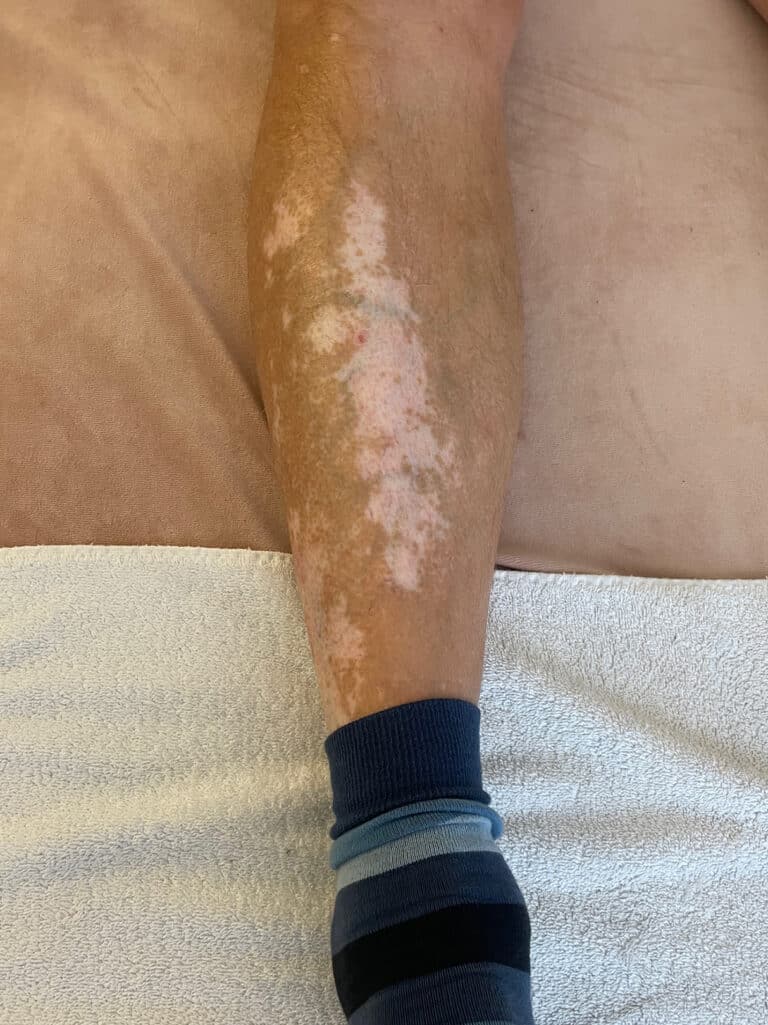
You understand that the approval of Opzelura cream is a huge step forward in the treatment of vitiligo. Because with Opzelura cream, people with vitiligo can look forward to new treatment option that can significantly improve their lives and well-being.
While we wait for the availability of the cream in the Netherlands, we can look forward to further developments in the field of vitiligo treatments. I hope for people who have to live with this autoimmune disease that this breakthrough may be an improvement in their lives.
And before that happens, people can come to Permanent Mooi for a tailor-made, personalised treatment.
It seems that even for people with other autoimmune diseases like alopecia, this remedy could also work. But I am not getting ahead of myself, just hoping for a solution for all allergies and autoimmune diseases.
The next step is to determine who will pay for the vitiligo drug. It is not known whether it will be reimbursed by (supplementary) health insurance. But this is not yet the case. First the medicine to treat vitiligo, then the rest.
Because of the fine collaboration with other permanent make-up specialists. it’s as simple as that. I subscribe to Irma Hulscher‘s newsletter. She is my trainer in medical tattooing, a long time ago.
You can read the whole article on Incyte ‘s website.