In menopause, during menopause, quite a lot happens in your body. By now, many women know that you have to deal with hormone changes; the decrease in the hormones oestrogen and progesterone is well known. But did you know that this hormonal fluctuation can affect your eyes, your mucous membranes? And did you know that dry eyes can also increase during menopause? Dry eyes and eye complaints like blepharitis, or Meibomitis, sebaceous gland inflammation are common during menopause. What is it, what can you do yourself and is permanent make-up suitable for you if you suffer from eye complaints more often during menopause. Read along? Then you’ll know a little more about menopause symptoms and what menopause means for your body.
The tear film, which normally protects and moisturises the surface of the eye, can become thinner during menopause, making the eye more susceptible to irritation and infections. This explains why many women experience dry infections, inflammation and dry eyes during menopause. The changed hormone levels cause a change in tear fluid and this brings risks including blepharitis.
The hormonal changes during menopause, or menopause, have many ‘side effects’. They are often called symptoms of menopause from which you can infer that menopause might have started:
And so dry eyes is one of the common complaints. You may then experience burning, itching, redness, and, for example, a feeling of sand in the eyes. This is because reduced oestrogen makes the meibomian glands, which are responsible for producing an important part of the tear film, work less well. These glands can clog up, leading to a condition known as meibomian gland dysfunction. This can worsen the symptoms of dry eyes.
Now that you know those glands are called Meibom, you also understand why blepharitis is also called Meibomitis. It is a chronic eyelid inflammation and is more common in menopausal women. This may be due to hormonal changes. Blepharitis can lead to symptoms such as swollen eyelids, scabs on the eyelashes, and red, irritated eyes. Poor eyelid hygiene can worsen these symptoms. It is important to clean the eyelids regularly to remove bacteria and excess oil that can cause inflammation. There is a lot on the internet about this, but always consult a doctor if you are not confident.
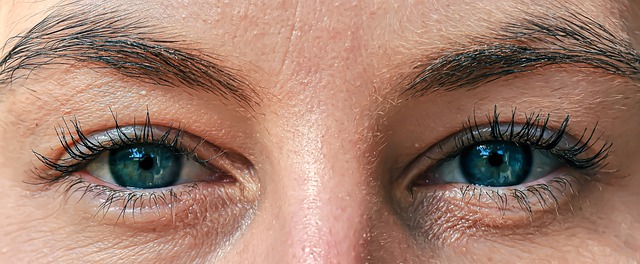
For women who suffer from eye problems such as dry eyes or blepharitis, permanent make-up (PMU) for eyebrows need not be a problem. Permanent eyeliner can also be a godsend because you no longer have to make yourself up daily, which reduces a risk of allergic reaction. But, it is important to be careful. Permanent make-up can worsen the symptoms of dry eyes, especially if it is not applied correctly. Some women experience more irritation and eye problems after PMU application, especially if they are already prone to eye problems. If you have blepharitis, it is advisable to consult an ophthalmologist before having permanent eyeliner applied.
Many women in my practice are in transition. They are often bothered by visibly thinner and shorter eyebrows. If you come to my practice, I am alert to your health. Do you now have eye complaints such as dry eyes or do you doubt whether permanent make-up is for you? Then take the ‘Am I suitable for permanent make-up?’ test.
Would you like direct personal advice? That is also possible, make an appointment online for a free telephone consultation to do so.
The treatments I offer are personal and tailor-made. Therefore, it is a good idea to call in advance, preferably an image call consultation. You can schedule this free consultation online. No question is too crazy, I listen and try to help you on your way, including questions such as May permanent make-up get wet. By the way, you can also find many of them under frequently asked questions.
The ophthalmologists.co.uk site has an explanation of blepharitis.