What does that have to do with permanent make-up, woman and health?

Many women who come into the practice for eyebrow tattooing are in transition. Perhaps you were in my practice the other day and I pointed you to this informative blog on women and health. The blog translates what I often tell women during treatment. It looks like a mini workshop. Take advantage of it. Because a woman in transition can have so many symptoms, you can see in the picture below.

In my practice, I meet women in the middle of or around menopause every day. Women looking for answers, recognition and practical tips. That’s why I share book tips, podcasts and provide new insights about menopause.
My practice exists because women are still not being taken care of properly. Because we women are far from always knowing what to look out for.
But actually it starts with yourself, you need to invest time to gain knowledge to get through the transition well, to be able to raise the alarm in time and that you know what you are talking about. And it’s not just about hot flushes, it’s also about other physical and mental complaints. And of course, because that’s why you come to me, for those eyebrows that are getting shorter.
We do see that awareness is growing among 30s and 40s, they know more about menopause, they take their health seriously and ask themselves: How do I stay vital?
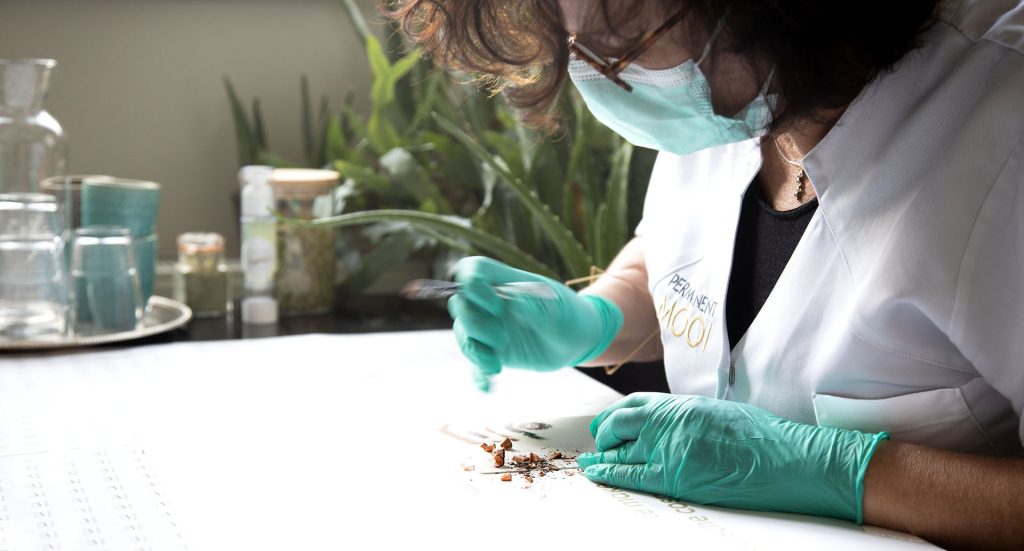
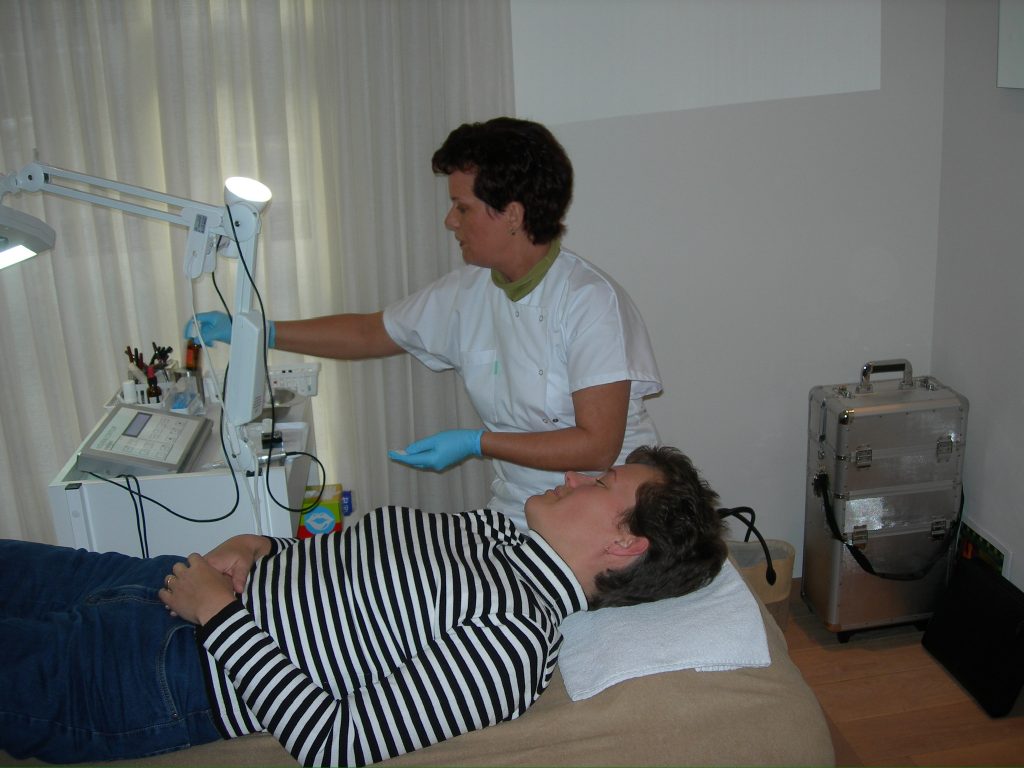
Look at me being young, at the beginning of Permanent Mooi, along with my sister as a guinea pig
A lot. Hormonal changes affect your appearance and how you feel. I recognise it. When I was around 35 and started my courses in permanent make-up, I had eczema and even wore a hairpiece – stress. You can read about that in About Me and my interview in NRC.
I learnt that my skin and psyche are inextricably linked and that hormones play a key role in this. During menopause, skin and hair growth changes and that affects how you feel. Shorter eyebrows give you a different look than you would like. This is one reason why women come to Permanent Mooi.
I saw a picture of a control panel during a performance by Kerkhof and Kerkhof, fascinating and incredibly fun: one button for men 😉, dozens of buttons for women. Each button represents a system in our body that needs to stay in balance. But what if that system falters? When the hormone balance changes? Then that requires conscious attention and care.
Take a closer look at this enlightening and fun illustration. See which and how many processes can get disrupted in your body due to menopause and transition. It was created by illustrator Claudie van Cleen
And here’s the thing. It’s not just about the hot flushes or night sweats, it’s about much more than that. By reading up on yourself, enriching yourself with knowledge, you also know that there is a lot you can do to go through the transition smoothly.
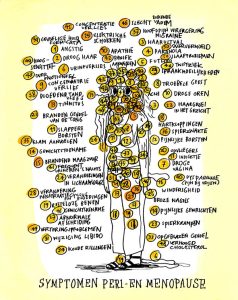
Source: Illustrator Claudie de Cleen(https://www.claudiedecleen.com/)
Time to educate yourself about the phase that is inevitably coming or that you are in the middle of.
Too important not to listen to – you as a woman may read and listen more about your body
On Wednesday 18 October a few years ago on World Menopause Day, Suzanne Rethans’ podcast series “We’re not crazy, are we?” started in collaboration with the H3 Network and Saar Magazine. About menopause symptoms that go unrecognised, misdiagnoses and the remedy: hormone supplementation.
Research by the H3 Network shows a link between mood disorders, hormones and the risk of cardiovascular disease and dementia. Over the next five weeks, journalist Suzanne Rethans talks to experts by experience and psychiatrist Sandra Kooij, gynaecologist Dorenda van Dijken and cardiologist Janneke Wittekoek of the H3 network about what you need to know and what you can do. Their research exposes what happens in the brain after the age of 35 under the influence of hormones and is therefore of interest to all women. Because you’d rather be there in time. Especially when the solution is so obvious.
This podcast is for all women over 40 to understand what else is involved.
About menopause, about self-care, about acceptance of this stage of life. Because the woman of the future? That's you. App for more inspiration
Schedule your appointmentNot only is Suzanne’s podcast interesting to listen to if you wish yourself the very best during perimenopause and menopause (see earlier in this post), following her LinkedIn will also help you stay up to date. for example, she posted about the The outdated and misleading warnings on package inserts of bioidentical hormone therapy (HST).
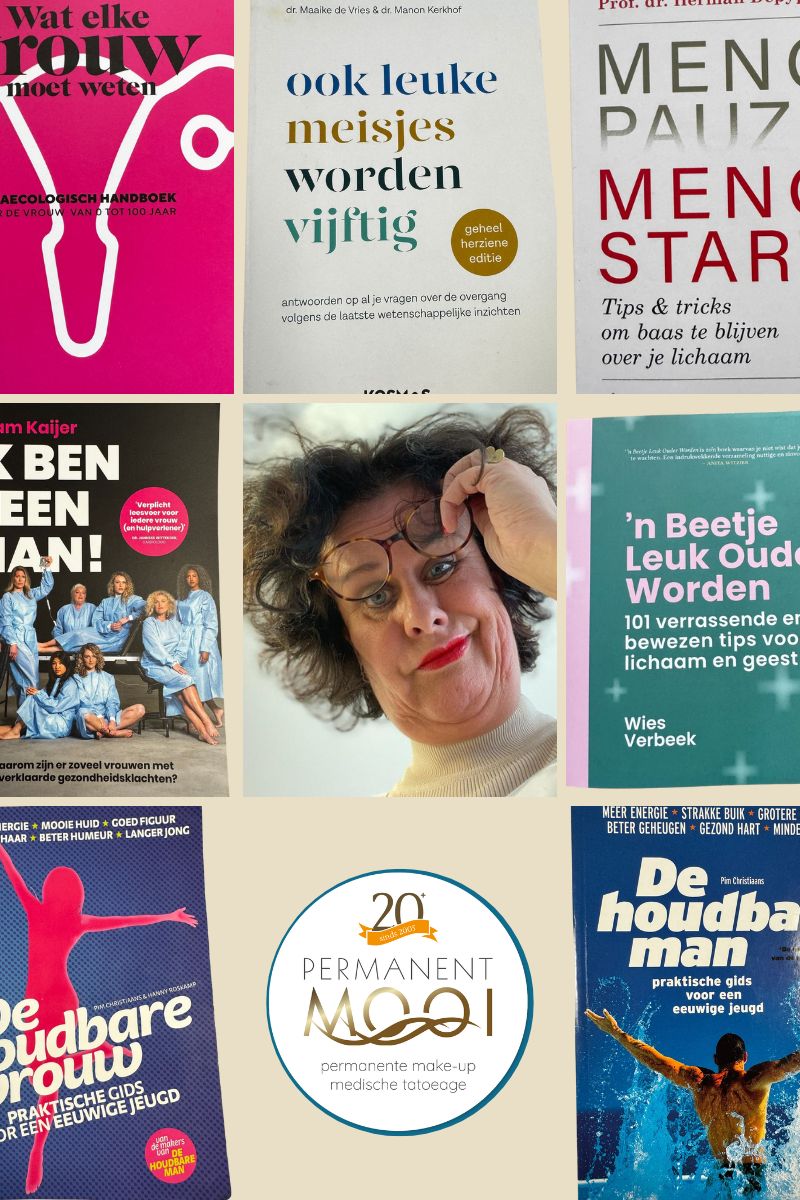 Follow me on Instagram for more reading tips